Article
Kitchen Cabinet Types and Options From Stock to Custom
In this article9 sections
- 01What separates stock, semi-custom and custom cabinets?
- 02Should the cabinets be framed or frameless?
- 03What are cabinet boxes made of?
- 04How do door and finish choices differ?
- 05What does the federal label on composite wood mean?
- 06Which option fits which kitchen?
- 07Write Down the Options That Matter Before You Compare Lines
- 08Photo Gallery
- 09Cost Guide
Kitchen cabinets come in stock, semi-custom and custom tiers, in framed or frameless construction, with plywood or particleboard boxes, and with stained, painted, thermofoil or laminate doors, so list which options matter to your kitchen before you compare lines. This is general information, and it recommends no brand and ranks no option.
What separates stock, semi-custom and custom cabinets?
KCMA, the cabinet manufacturers association, says its quality certification program includes everyone from stock or builder-grade manufacturers, using particle board and simple construction, to high-end custom shops, using premium plywood and custom-made finishes. Semi-custom sits between the two, which is why the tier name tells you less than the box material, the finish and the sizes a line actually offers.
Should the cabinets be framed or frameless?
KCMA says framed cabinets, traditionally known as American style, feature a solid wood face frame attached to the front of the cabinet box, while frameless cabinets, commonly known as European kitchen cabinets, eliminate the face frame entirely. It says framed cabinets offer partial overlay, full overlay or inset looks, while frameless cabinets are limited to a modern, full-overlay aesthetic. It also says frameless cabinets generally provide about 20% more storage and full access than framed options, and that you can usually go up to 24 inches in width without a center stile in framed cabinets against up to 36 inches in frameless. On installation, KCMA says frameless cabinets require more precise installation because there is no face frame to conceal inconsistencies, while framed cabinets are generally more forgiving. Ask the installer how straight your walls and floor are before you choose, because that decides whether the frameless fit is realistic.
What are cabinet boxes made of?
The USDA Forest Products Laboratory says plywood undergoes minimal irreversible thickness swelling if wetted, and that because its alternating grain direction significantly reduces splitting, plywood is an excellent choice for uses that call for fasteners to be placed very near the edges of a panel. It adds that since most applications are interior, particleboard is usually bonded with a UF resin, although PF and MF resins are sometimes used for applications requiring more moisture resistance. So the box material is a real option, and it is worth asking each line which material the box, the shelves and the back panel use.
How do door and finish choices differ?
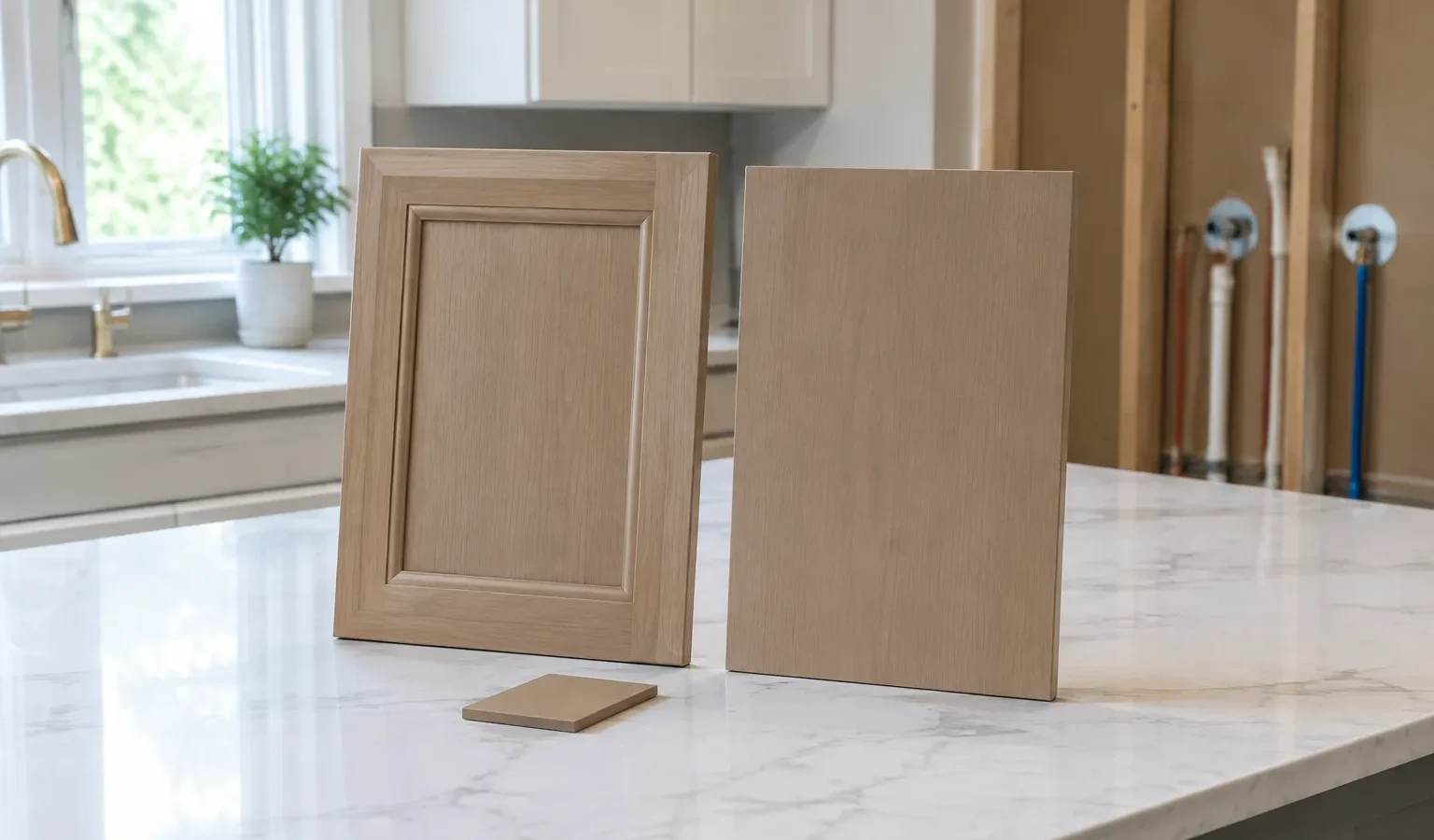
The USDA Forest Products Laboratory says wood changes dimension as it gains moisture, swelling, or loses moisture, shrinking, and that this can result in warping, checking, and splitting of the wood. It describes two types of finishes, film-forming and penetrating, and says finishes that form a film on wood, such as varnish, lacquer, and shellac, are also called coating finishes. The door maker DesLaurier describes a five-piece door as one centre panel built within a frame of two stiles and two rails, and says a one-piece door style has no joints where the rails and stiles meet. A stained door lets the wood grain show through a transparent finish, while a painted door hides the grain under a coat of paint, so ask what finish system each line uses and how it is repaired. The cabinet maker Cardell recommends a heat shield on cabinets next to an oven for thermofoil or laminate door styles, because self-cleaning appliances generate intense heat during a cleaning cycle. The heat shield advice is one maker’s guidance for its own doors, so treat it as a question to put to the line you like.
What does the federal label on composite wood mean?
Under the United States (federal) composite wood rule, after March 22, 2019, composite wood products sold, supplied, offered for sale, manufactured or imported in the United States must be labeled as TSCA Title VI compliant, and the products covered are hardwood plywood, medium-density fiberboard and particleboard, as well as household and other finished goods containing these products. The label shows that the panel complies and does not mean the panel emits no formaldehyde, so ask each line which panels it uses and to see the label. KCMA says its A161.1 certification ensures that the cabinets have been rigorously tested for structural integrity, moisture resistance, hardware performance and finish durability. That describes what the certification tests and is not a ranking, so ask whether a line carries it and keep comparing the same options across lines.
Which option fits which kitchen?
| Option | What it is | Where it tends to fit |
|---|---|---|
| Stock or builder-grade | Standard sizes and finishes, simple construction | Kitchens with standard wall lengths and a fixed budget |
| Semi-custom | A standard line with more size and finish choices | Kitchens that need a few non-standard sizes |
| Custom | Built to the room, with premium boxes and custom finishes | Kitchens with unusual walls, heights or storage needs |
| Framed | A face frame on the box front | Walls and floors that are not perfectly straight |
| Frameless | No face frame and full-overlay doors | Straight walls where interior access matters most |
| Stained doors | Wood grain shows through a transparent finish | Kitchens where you want the wood visible |
| Painted doors | A coat of paint over the door | Kitchens where a solid color matters more than the grain |
Write Down the Options That Matter Before You Compare Lines
Take your list of tier, frame, box material and door finish to each contractor when you request kitchen remodeling quotes so every quote names the same cabinet options.
Photo Gallery
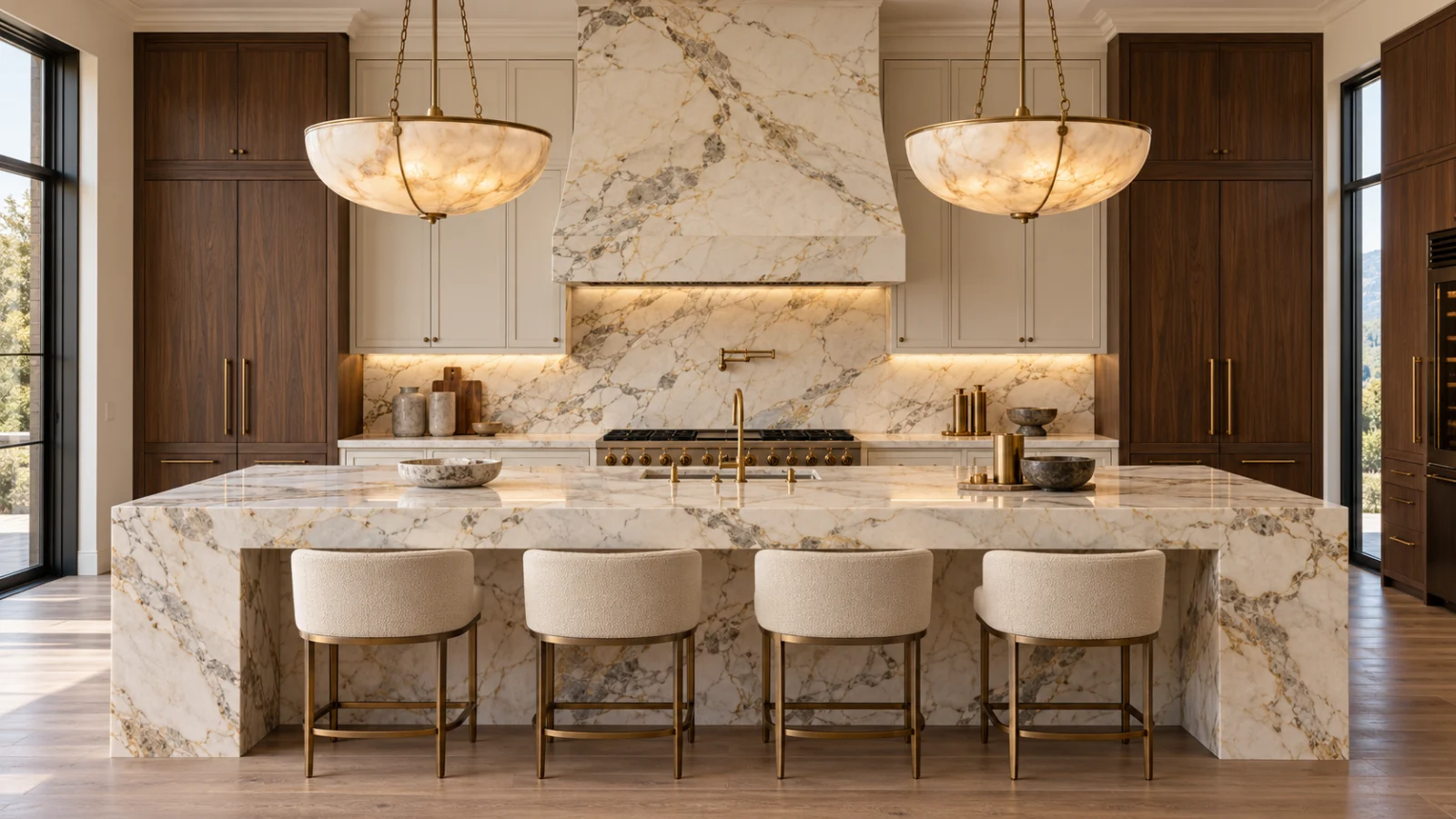
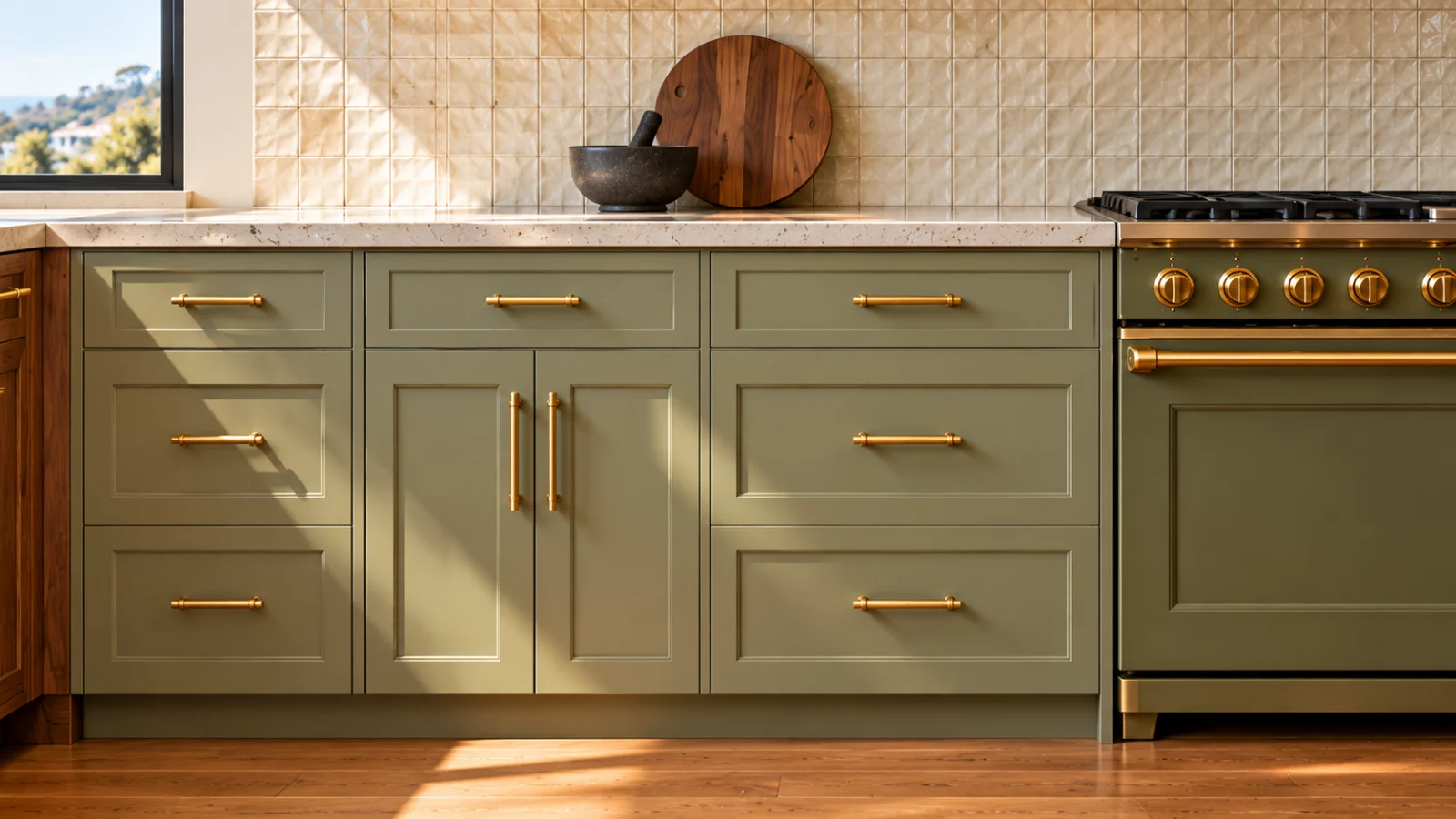
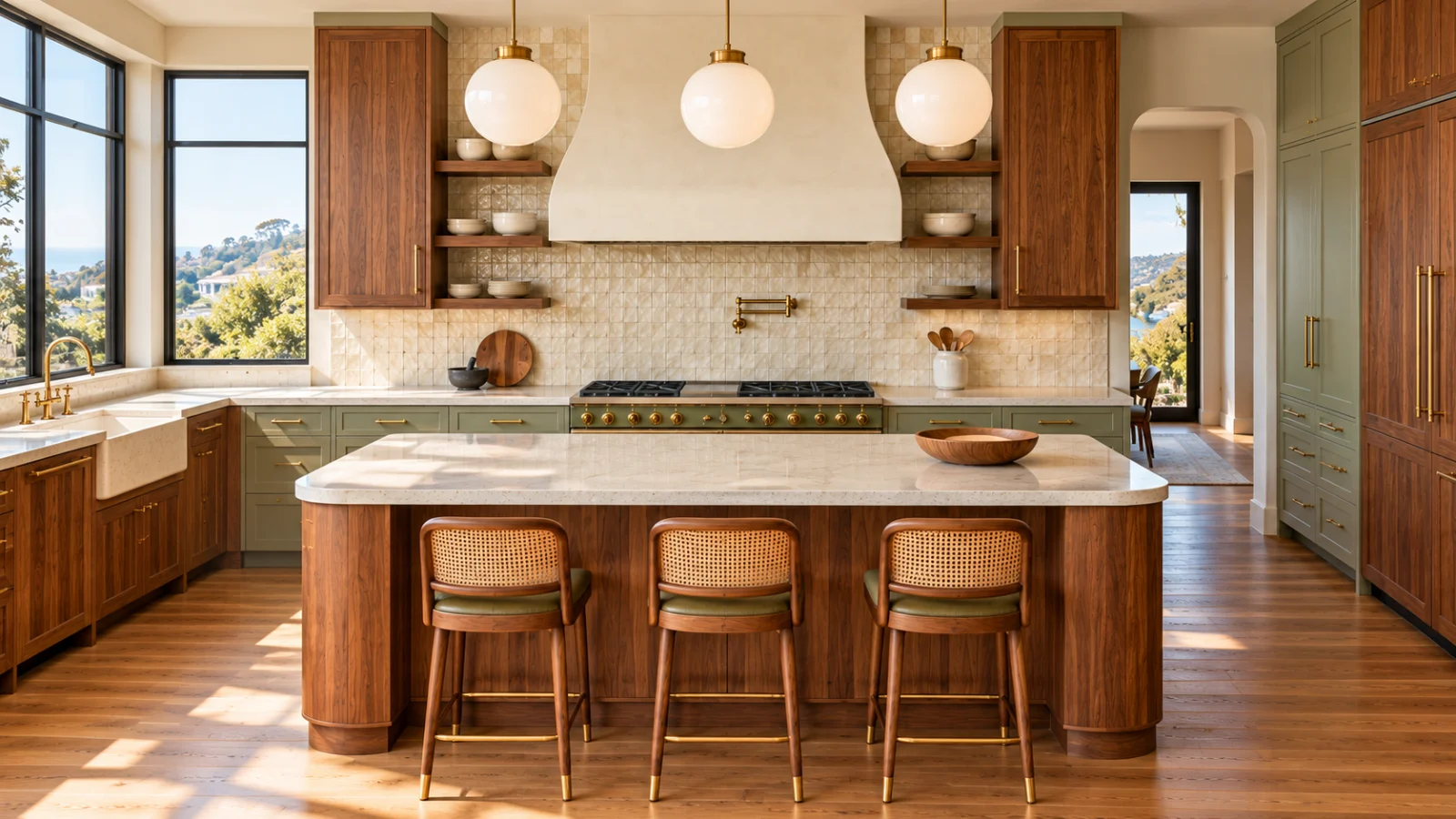
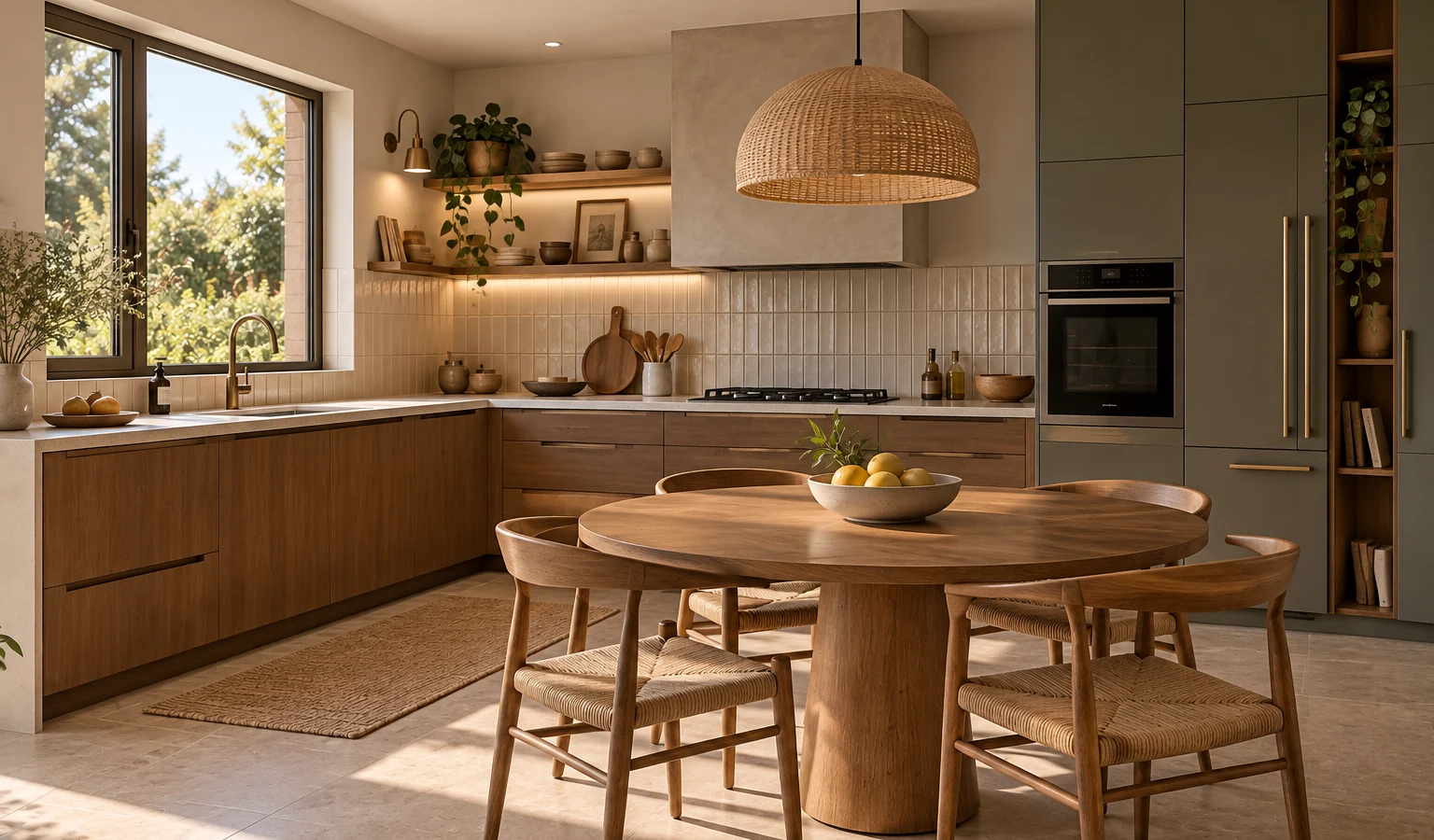
Cost guide
Kitchen Remodel Cost
United StatesNational ranges from what U.S. households paid contractors (Census American Housing Survey 2023). Full remodel is the upper quarter of hired projects. Prices as of August 2026. This is an estimate for planning, not a quote or a guaranteed Goodhaus price. Your actual cost depends on your home, your choices and your contractor, and quotes may be lower or higher. Open the cost calculator
Get Free Quotes