Article
Contingency Budget Explained for a Home Remodel
In this article7 sections
A contingency budget is money set aside for unforeseen project costs, and HUD’s 203(k) rules show one way to size it by the age and condition of the house, so ask each contractor what unknowns the price assumes before you decide how much to hold back. This is general information and not financial advice, and Good Haus is a free matching service and not a contractor.
What is a contingency budget?
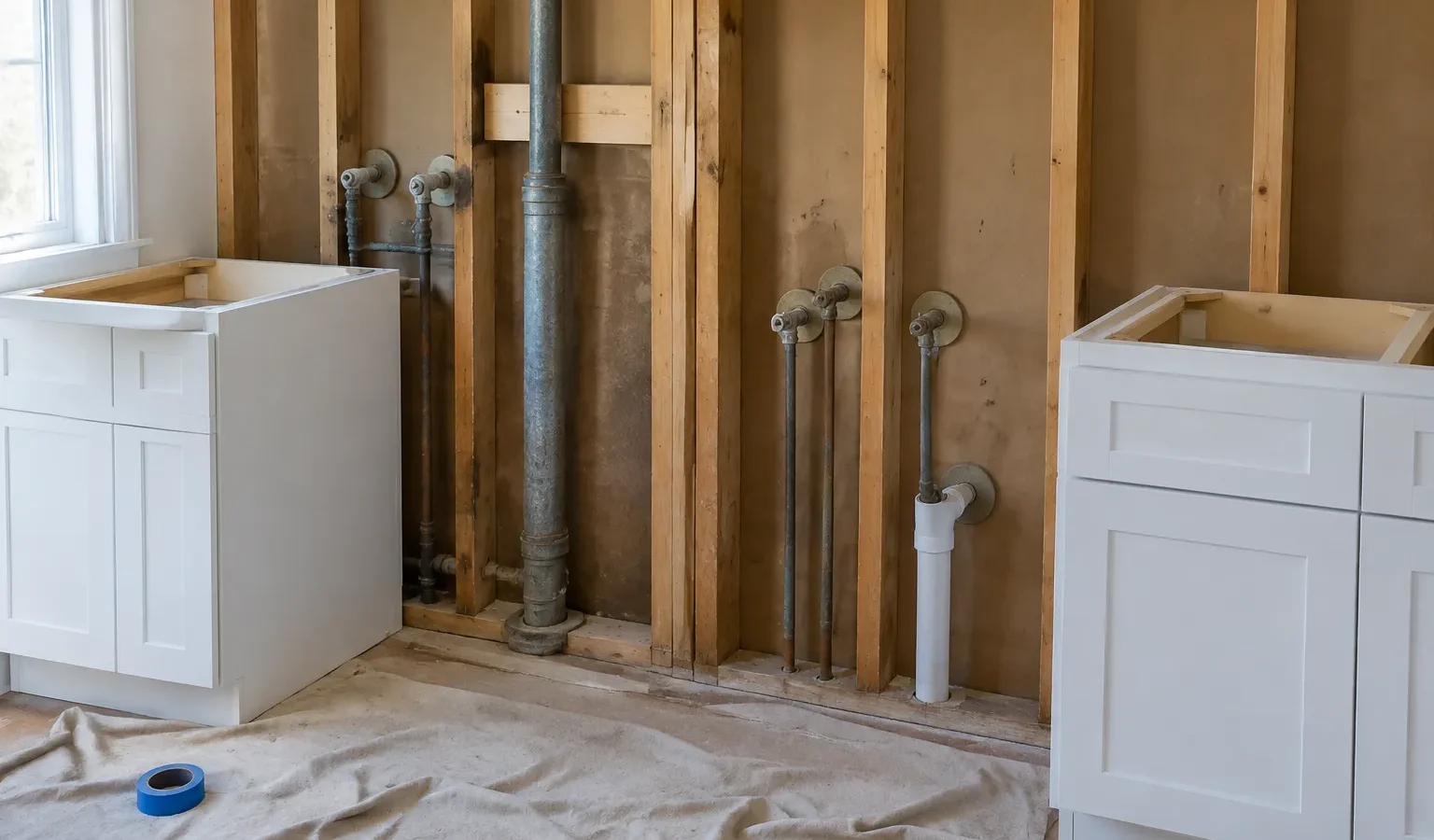
The U.S. Department of Housing and Urban Development defines a contingency reserve as funds that are set aside to cover unforeseen project costs. Think of it as a separate line below the contractor’s price: the price covers the work you described, and the contingency covers what turns up once walls, floors or utilities are opened.
How does one federal program size it?
HUD’s page for Standard 203(k) renovation loans says the minimum and maximum contingency reserve is established as a percentage of the financeable repair and improvement costs. That is one loan program’s rule and not a rule for every remodel, and the page was last revised in January 2016, so confirm the current figures with a lender before relying on them.
| Structure | Minimum | Maximum |
|---|---|---|
| Actual age of less than 30 years, when there is evidence of termite damage | 10% | 20% |
| Actual age of less than 30 years, discretionary | No minimum | 20% |
| Actual age of 30 years or more | 10% | 20% |
| Actual age of 30 years or more, when utilities are not operable as referenced in the Work Write-Up | 15% | 20% |
For structures with an actual age of 30 years or more, HUD’s page lists a required minimum of 10% and a maximum of 20%, and 15% as the required minimum when utilities are not operable as referenced in the Work Write-Up. HUD adds that if the contingency reserve is established with the borrower’s own funds, it must be noted under a separate category in the repair escrow account.
How do two different houses change the reserve?
A house under 30 years old with no sign of termite damage
In HUD’s Standard 203(k) table this is the discretionary row, with no minimum and a maximum of 20%, so a reserve is a choice and not a requirement, and an owner still decides how much unknown cost to be ready for.
A house 30 years old or more with dead utilities
In HUD’s table this is the row with a 15% required minimum when utilities are not operable. Untested systems are a common source of surprise, so an owner whose house cannot be tested yet should plan a larger cushion and ask for the systems to be tested early.
What should you ask contractors about unknowns?
Get more than one written estimate, and ask each contractor to describe the work, the materials, the completion date and the price in the same terms. A large gap between bids can mean one contractor priced the unknowns and another did not, so ask each one which hidden conditions the price assumes and which it leaves for a change order. Then decide how much of your own money to hold back in a separate line, and keep it untouched until a written change order names what it pays for.
Hold the Contingency Apart From the Bid
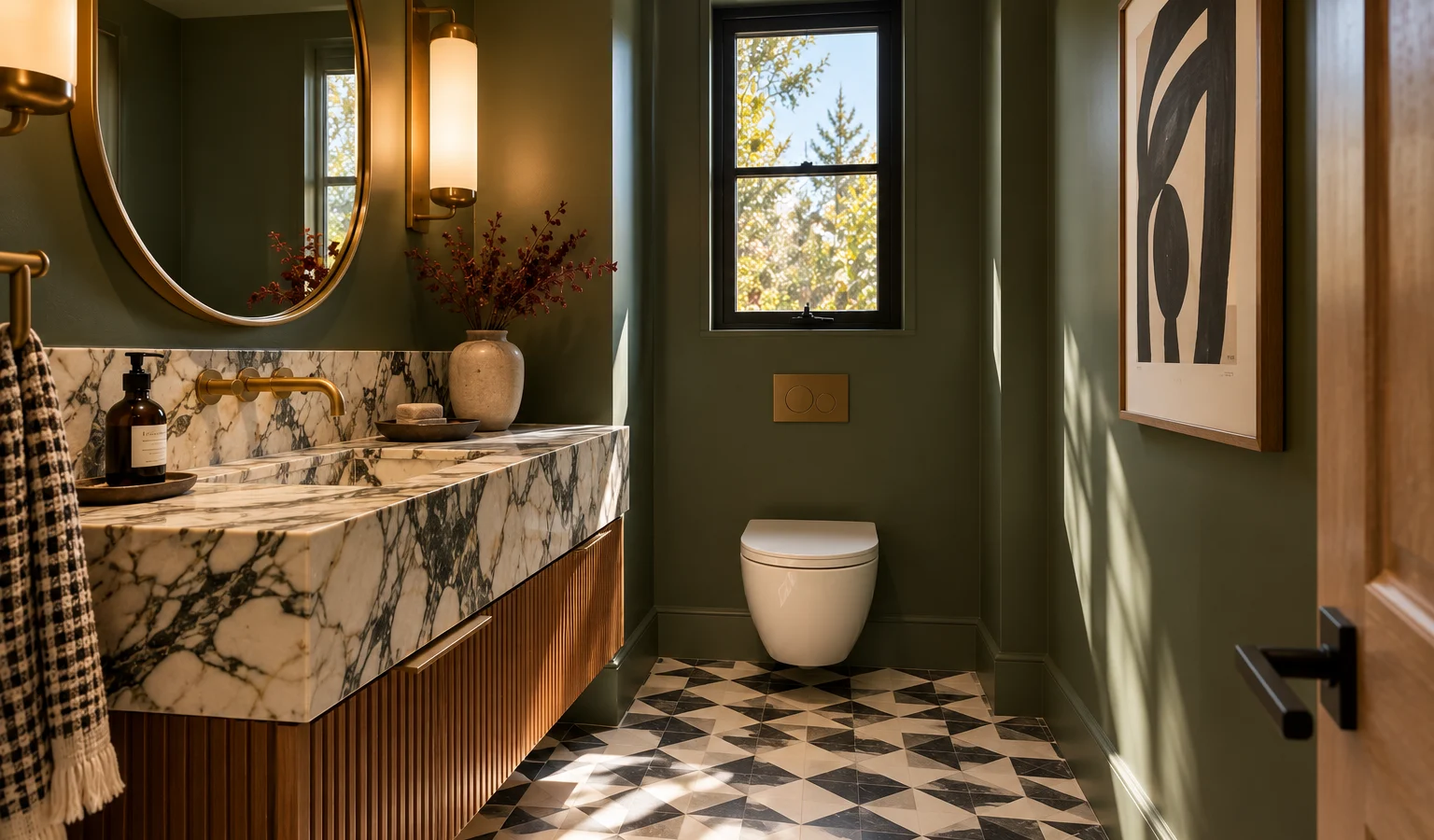
List the unknowns each contractor assumes and keep your contingency out of the price when you request bathroom remodeling quotes so the quotes compare the same scope.
Photo Gallery
Cost guide
Bathroom Remodel Cost
United StatesNational ranges from what U.S. households paid contractors (Census American Housing Survey 2023). Full remodel is the upper quarter of hired projects. Prices as of August 2026. This is an estimate for planning, not a quote or a guaranteed Goodhaus price. Your actual cost depends on your home, your choices and your contractor, and quotes may be lower or higher. Open the cost calculator
Get Free QuotesCost guide
Kitchen Remodel Cost
United StatesNational ranges from what U.S. households paid contractors (Census American Housing Survey 2023). Full remodel is the upper quarter of hired projects. Prices as of August 2026. This is an estimate for planning, not a quote or a guaranteed Goodhaus price. Your actual cost depends on your home, your choices and your contractor, and quotes may be lower or higher. Open the cost calculator
Get Free QuotesCost guide
Room Addition Cost
United StatesRoom additions are estimated from the cost per square foot of new contractor-built houses (U.S. Census Bureau), an experimental comparison, so only a range is shown. Prices as of August 2026. This is an estimate for planning, not a quote or a guaranteed Goodhaus price. Your actual cost depends on your home, your choices and your contractor, and quotes may be lower or higher. Open the cost calculator
Get Free Quotes