Article
Hidden Remodeling Costs: Five Places Surprises Come From
In this article9 sections
- 01How do low allowances create hidden costs?
- 02What surprises can show up behind the walls?
- 03Does the contract type change who carries the risk?
- 04How should changes after signing be handled?
- 05What does unpermitted work add?
- 06What should you ask before you sign?
- 07Compare Bids Line by Line Before You Choose
- 08Photo Gallery
- 09Cost Guides
Hidden remodeling costs are expenses the original bid did not price, and the five common sources are allowances set too low, conditions found during demolition, items overlooked in an estimate, changes after signing and unpermitted work. Ask each contractor to show where each of the five could appear in your bid.
| Source of surprise | What the sources say | Ask the contractor |
|---|---|---|
| Low allowances | The Home Energy book says contractors sometimes set impossibly low allowances for anything not specified in the bid | Which items carry an allowance and at what quality level |
| Conditions behind walls | It says unexpected conditions such as dry rot, mold or missing footings found in demolition justify a change order | How such finds are priced before work starts |
| Overlooked items | It says a cost plus contract bills you for items overlooked in the estimate | Which contract type the bid uses |
| Changes after signing | California’s board guide says the price changes by a written change order, and Oregon’s says both parties sign it | A signed change order for every change |
| Unpermitted work | The Home Energy book says a fine will probably be added to the cost of the permit and work may need to be torn out for inspection | Who pulls each permit |
How do low allowances create hidden costs?
The Home Energy book, a trade publication guide, defines an allowance as an amount of money set aside in a construction contract for items that are not specified explicitly in the original contract and therefore can’t be accurately bid. It says contractors competing for a job sometimes guess at the price you want to hear and set impossibly low allowances for anything not specified in the bid, and have been known to underbid a job and expect to make up the difference on change orders. California’s Contractors State License Board says that when the final cost of an item covered by an allowance differs from the listed amount, the contract price changes by a written change order. Ask each contractor to list every allowance item with its quality level, and compare those levels bid by bid.
What surprises can show up behind the walls?
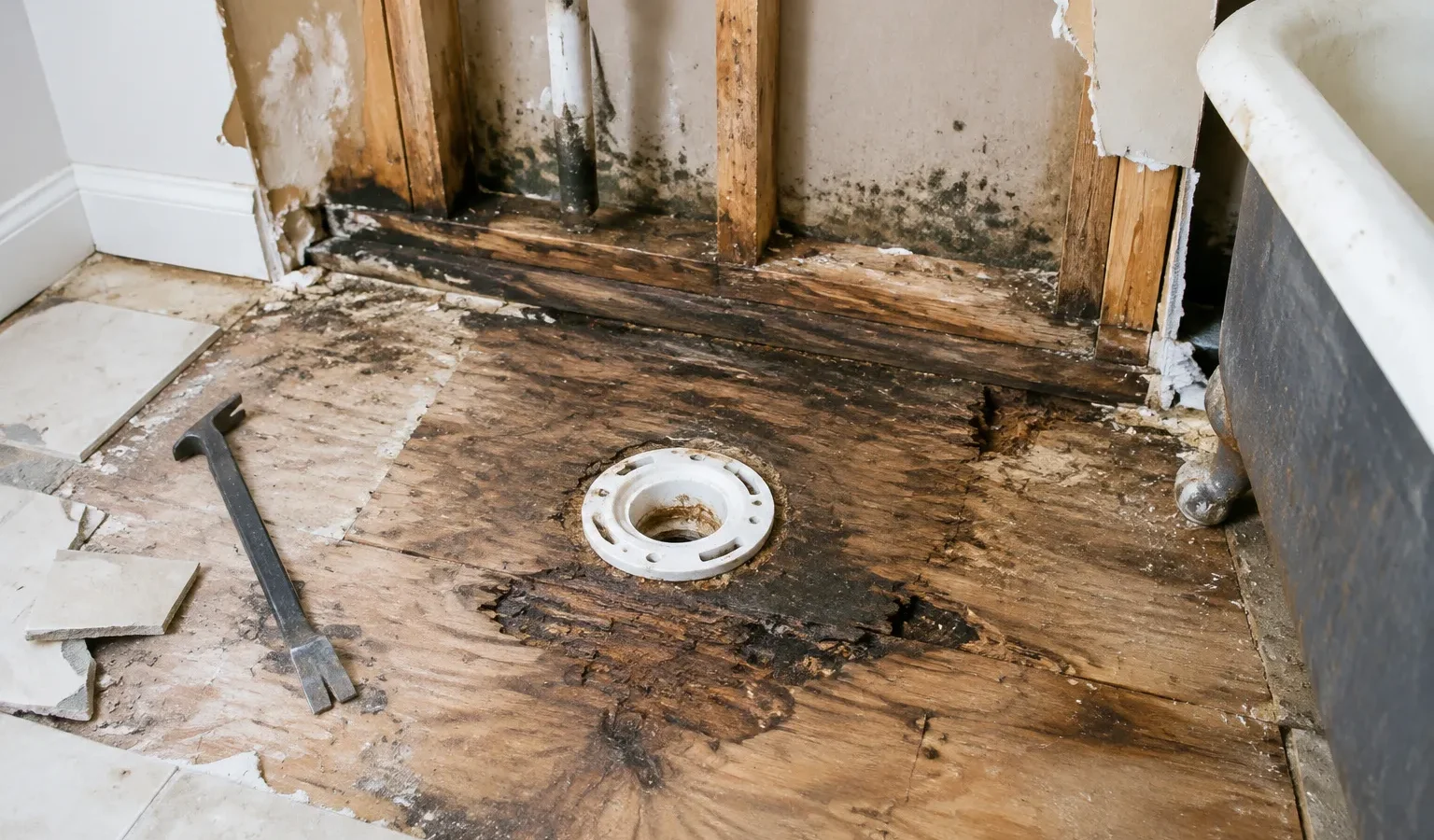
A thorough home assessment, the book says, reveals the hidden defects in your house and gives a baseline against which to measure proposed and completed improvements. It says the unexpected condition that shows up during demolition, such as carpenter ants, termites, dry rot, mold or missing footings, is the exception to avoiding changes during construction, and that a change order is the necessary tool for legitimate modifications. Ask the contractor how it will price a hidden defect once the walls are open and who approves the extra work first.
Does the contract type change who carries the risk?
In a fixed-sum contract, the price is locked in, the book explains, barring unforeseen conditions or homeowner-driven change orders. It says a cost plus contract has you pay the actual cost of the work plus an agreed markup, and that its drawback is that the project may cost more than expected and you are billed for items overlooked in the estimate. Ask which contract type each bid uses and what it says about items missing from the estimate.
How should changes after signing be handled?
Changes during construction extend the project and increase its cost, so the book advises trusting the design and avoiding last-minute changes. It defines a change order as a client’s written order to the contractor, issued after the contract is signed, authorizing a change in contract terms. Oregon’s Construction Contractors Board says a change order is an amendment to the contract, that both parties should sign it just like a contract and that it should show any effect on the total cost. Ask for a signed change order, with the price effect shown, before any change begins.
What does unpermitted work add?
Failing to pull a permit, the book says, is breaking the law, a fine will probably be added to the cost of the permit and work may need to be torn out to allow inspection if you are caught after the project is complete. Ask each contractor in writing who pulls each permit and which inspections follow, and check the answer with your building department.
What should you ask before you sign?
- Ask for every allowance item with its quality level.
- Request the contractor’s plan for conditions found behind walls.
- Confirm the contract type and what it says about overlooked items.
- Check that every change requires a signed change order with the price shown.
- Ask for the permits and inspections to be named in the contract.
Compare Bids Line by Line Before You Choose
Put every bid’s allowances, contract type and change order terms in one table, and read more in our costs and budgeting guides, then ask each contractor to explain the gaps.
Photo Gallery




Cost guide
Bathroom Remodel Cost
United StatesNational ranges from what U.S. households paid contractors (Census American Housing Survey 2023). Full remodel is the upper quarter of hired projects. Prices as of August 2026. This is an estimate for planning, not a quote or a guaranteed Goodhaus price. Your actual cost depends on your home, your choices and your contractor, and quotes may be lower or higher. Open the cost calculator
Get Free QuotesCost guide
Kitchen Remodel Cost
United StatesNational ranges from what U.S. households paid contractors (Census American Housing Survey 2023). Full remodel is the upper quarter of hired projects. Prices as of August 2026. This is an estimate for planning, not a quote or a guaranteed Goodhaus price. Your actual cost depends on your home, your choices and your contractor, and quotes may be lower or higher. Open the cost calculator
Get Free QuotesCost guide
Room Addition Cost
United StatesRoom additions are estimated from the cost per square foot of new contractor-built houses (U.S. Census Bureau), an experimental comparison, so only a range is shown. Prices as of August 2026. This is an estimate for planning, not a quote or a guaranteed Goodhaus price. Your actual cost depends on your home, your choices and your contractor, and quotes may be lower or higher. Open the cost calculator
Get Free Quotes