Article
IC, ICAT or Damp Rated: The Recessed Light Types That Matter in a Remodel
In this article13 sections
- 01Type 1: non-IC recessed cans
- 02Type 2: IC-rated fixtures
- 03Type 3: ICAT-rated fixtures
- 04Type 4: damp or wet rated fixtures
- 05Type 5: retrofit downlights in an existing housing
- 06How do the types compare?
- 07Why does air tightness matter under a cold roof?
- 08Where do recessed lights fit in a lighting plan?
- 09What should you check before installing?
- 10What the cited sources do not settle
- 11The insulation contact rating decides which recessed light is safe
- 12Photo Gallery
- 13Cost Guides
Pacific Northwest National Laboratory says fixtures that may not touch insulation are referred to as non-IC (Insulation Contact) or non-ICAT (Insulation Contact and Air Tight) recessed can lights, and that if insulation is in contact with non-ICAT rated lamps, a fire hazard exists. ENERGY STAR says a fixture should be IC rated if it will touch insulation, and damp or wet rated if it will be exposed to moisture, such as above showers or outdoors.
Type 1: non-IC recessed cans
Pacific Northwest National Laboratory (PNNL), writing for the Building America Solution Center, says these fixtures are referred to as non-IC (Insulation Contact) or non-ICAT (Insulation Contact and Air Tight) recessed can lights, and that if insulation is in contact with non-ICAT rated lamps, a fire hazard exists.
PNNL says incandescent or halogen bulbs should not be used with non-IC rated recessed can lights after enclosures are installed because excessive heat build-up can occur, causing a potential fire hazard.
Type 2: IC-rated fixtures
ENERGY STAR’s checklist for recessed lighting says the fixture should be Insulation Contact, or IC rated, if it will touch insulation.
Type 3: ICAT-rated fixtures
PNNL says the newer ICAT-rated fixtures are made with fewer holes and equipped with gaskets to eliminate most of the air leakage pathways. It says a better option than keeping old non-IC fixtures is to replace them with new ICAT-rated light fixtures, and says to replace non-IC rated recessed can lights with ICAT-rated recessed can lights or even better, ceiling-mounted light fixtures.
Type 4: damp or wet rated fixtures
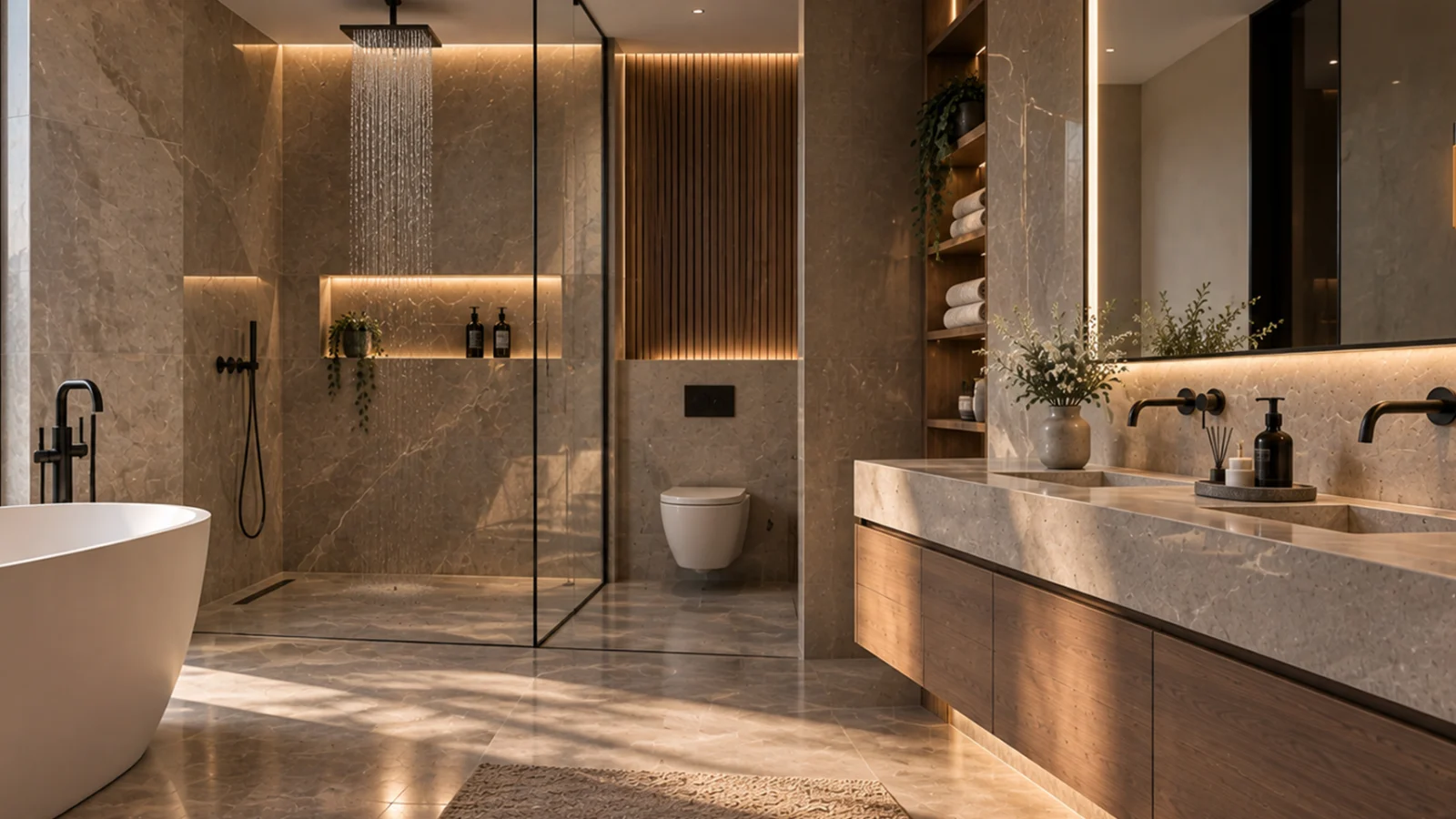
ENERGY STAR says the fixture should be damp or wet rated if it will be exposed to moisture, such as above showers or outdoors.
Type 5: retrofit downlights in an existing housing
ENERGY STAR says you can upgrade your downlight without replacing or modifying the fixture inside the ceiling.
How do the types compare?
The table below sums up the PNNL and ENERGY STAR statements quoted in this article.
| Type | What the source says | Source |
|---|---|---|
| Non-IC or non-ICAT can | If insulation is in contact with non-ICAT rated lamps, a fire hazard exists | PNNL |
| IC rated | Needed if the fixture will touch insulation | ENERGY STAR |
| ICAT rated | Made with fewer holes and equipped with gaskets to eliminate most of the air leakage pathways | PNNL |
| Damp or wet rated | Needed if the fixture will be exposed to moisture, such as above showers or outdoors | ENERGY STAR |
| Retrofit downlight | Upgrades the downlight without replacing or modifying the fixture inside the ceiling | ENERGY STAR |
Why does air tightness matter under a cold roof?
Building Science Corporation says plumbing stacks, recessed lights, chimneys, electrical service penetrations in partition walls, and attic hatches all can on their own, or in combination, allow sufficient air leakage into the ceiling space to cause serious ice dam problems.
Where do recessed lights fit in a lighting plan?
The City of Seattle, Washington’s Office of Sustainability and Environment says there are three basic types of lighting that work together to light your home. It says ambient lighting can be accomplished by chandeliers, ceiling or wall-mounted fixtures, recessed or track lights, and that task lighting can be provided by recessed and track lighting, pendant lighting and under cabinet lighting.
It adds that you should think about where the activities usually occur in each room, that these areas will need adequate task lighting, and that in other areas, ambient lighting may be enough.
What should you check before installing?
Ask your local building department whether your project needs a permit, and have a licensed electrician do work you are not qualified to do.
- ENERGY STAR says to check that power is shut off at the breaker box.
- Obtain a permit for installing new recessed lighting, if needed.
- Confirm the light is IC rated if it will touch insulation.
- Confirm it is damp or wet rated if it will be exposed to moisture, such as above showers or outdoors.
What the cited sources do not settle
The sources cited here give no care or cleaning guidance for trims and name no product as best, and this guide gives no prices.
The insulation contact rating decides which recessed light is safe
PNNL says a fire hazard exists if insulation is in contact with non-ICAT rated lamps, and ENERGY STAR says a fixture that will touch insulation should be IC rated.
Photo Gallery






Cost guide
Bathroom Remodel Cost
United StatesNational ranges from what U.S. households paid contractors (Census American Housing Survey 2023). Full remodel is the upper quarter of hired projects. Prices as of August 2026. This is an estimate for planning, not a quote or a guaranteed Goodhaus price. Your actual cost depends on your home, your choices and your contractor, and quotes may be lower or higher. Open the cost calculator
Get Free QuotesCost guide
Kitchen Remodel Cost
United StatesNational ranges from what U.S. households paid contractors (Census American Housing Survey 2023). Full remodel is the upper quarter of hired projects. Prices as of August 2026. This is an estimate for planning, not a quote or a guaranteed Goodhaus price. Your actual cost depends on your home, your choices and your contractor, and quotes may be lower or higher. Open the cost calculator
Get Free QuotesCost guide
Room Addition Cost
United StatesRoom additions are estimated from the cost per square foot of new contractor-built houses (U.S. Census Bureau), an experimental comparison, so only a range is shown. Prices as of August 2026. This is an estimate for planning, not a quote or a guaranteed Goodhaus price. Your actual cost depends on your home, your choices and your contractor, and quotes may be lower or higher. Open the cost calculator
Get Free Quotes