Article
Saving Money on a Remodel Starts With the Budget and the Plan
In this article9 sections
- 01Why does the budget come before the design?
- 02Can planning in phases save money?
- 03What do changes during construction do to the cost?
- 04Which rebates and programs still apply?
- 05What happened to the federal home improvement credit?
- 06What should you ask before you start?
- 07Compare Bids Against the Same Budget
- 08Photo Gallery
- 09Cost Guides
Saving money on a remodel means setting the budget before design, planning in phases, avoiding changes during construction and checking rebates that still exist, and the federal energy-efficient home improvement credit covered improvements only through December 31, 2025. Ask each contractor to confirm which of these steps fit your project.
| Tactic | What the sources say | Ask |
|---|---|---|
| Set the budget first | The Home Energy book says to set your budget before you begin to design and have a contractor do a preliminary estimate during design | Who prepares the preliminary estimate |
| Plan in phases | The book says a phased master plan can save money and headaches | Which rooms come first |
| Avoid changes | The book says changes during construction extend the project and increase its cost | What is locked before demolition |
| Check rebates | The Department of Energy says home energy rebates are available in select states, and ENERGY STAR runs a rebate finder | Which programs your state runs |
| Know the credit’s end date | The IRS says the credit covered improvements made through December 31, 2025 | Whether your work finished before that date |
Why does the budget come before the design?
The Home Energy book says to set your budget before you begin to design and to tell your designer to work within it. It says that during the design phase it is a good idea to pay a contractor to do a preliminary cost estimate, which helps determine whether you are close to your budget and encourages open discussion of costs and options. Ask a contractor what a paid preliminary estimate covers and what it costs before you finish the design.
Can planning in phases save money?
The book gives an example of how master planning can save you money and headaches, describing a family that remodeled a kitchen and later found the stove was in the perfect place for a doorway to a family room addition. Ask your designer to sketch the later phases before you commit to the first one.
What do changes during construction do to the cost?
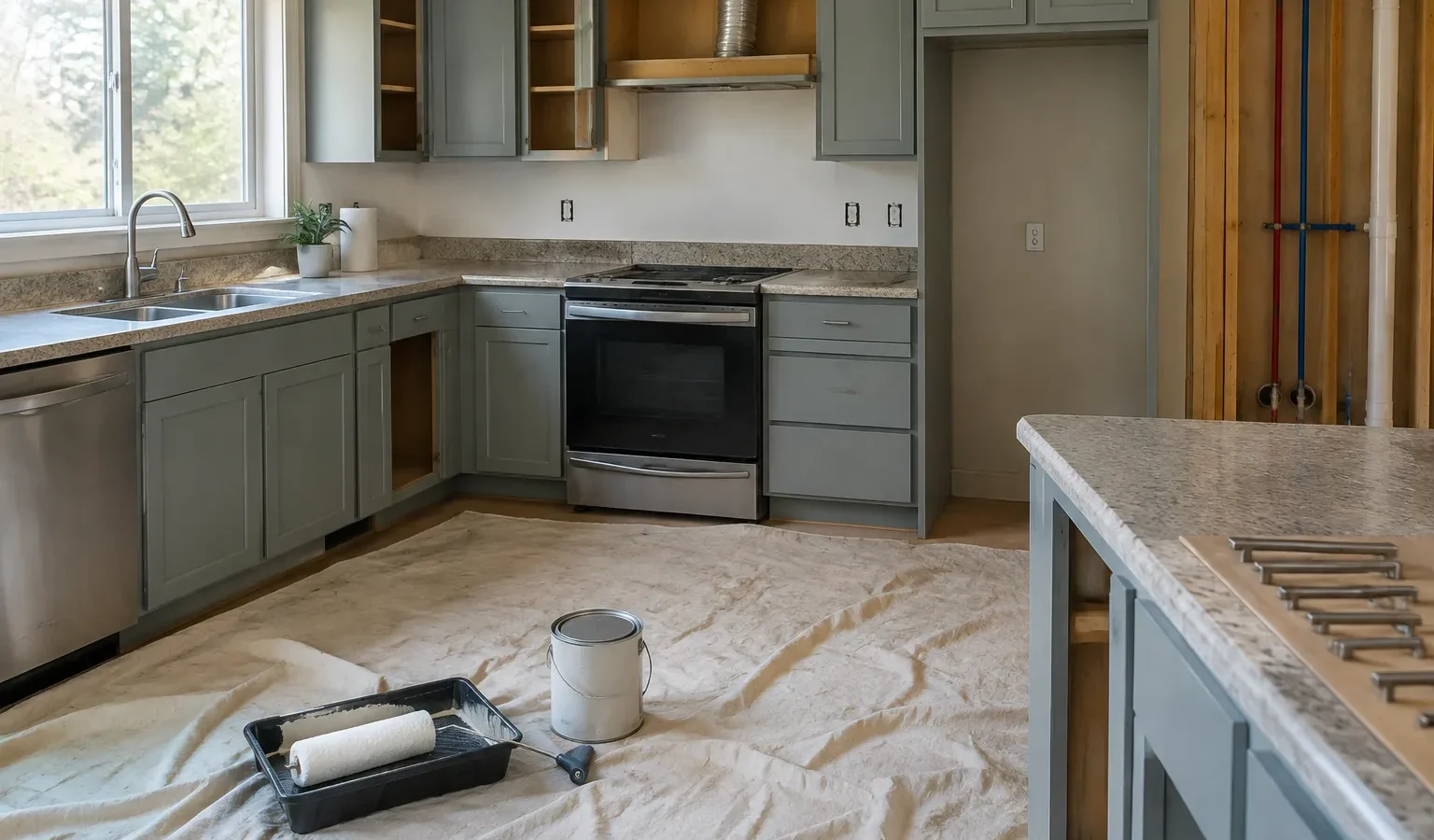
The book says that making changes during construction is a surefire way to extend the length of your project and increase its cost, and that you should trust the design and avoid last-minute changes. Ask the contractor which selections must be final before demolition starts and what a later change would add.
Which rebates and programs still apply?
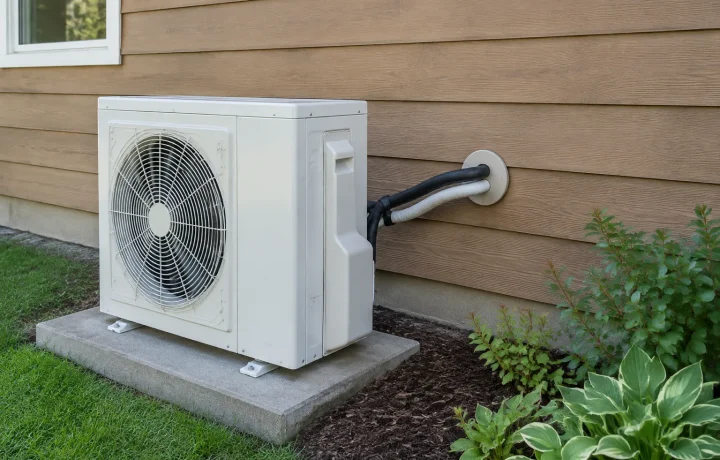
The Department of Energy says its Home Energy Rebates Program, which includes the HOMES and HEEHR programs, offers rebates that can help save money on select home improvement projects. It says the rebates are available in select states and that you should contact your State or Territory Energy Office for the status and eligibility requirements. ENERGY STAR’s rebate finder lets you find rebates and special offers on certified products near you by entering your zip code. Ask your state energy office and your utility which programs are open, and ask the contractor whether the products you plan qualify.
What happened to the federal home improvement credit?
The IRS says that if you made qualified energy-efficient improvements to your home after January 1, 2023, you may have qualified for a tax credit of up to $3,200, and that you could claim the credit for improvements made through December 31, 2025. It says that from 2023 the credit equaled 30 percent of certain qualified expenses, with limits on the annual credit and on the credit for certain types of expenses. Ask a tax professional whether any improvement you finished in 2025 still qualifies, and do not plan a 2026 project around the credit.
What should you ask before you start?
- Ask a contractor for a paid preliminary estimate before the design is final.
- Request a phased plan that shows later rooms.
- Confirm which selections are locked before demolition.
- Contact your State or Territory Energy Office for the current status of each program.
- Ask a tax professional about any improvement finished in 2025.
Compare Bids Against the Same Budget
Write your budget and phases on one page, read more in our costs and budgeting guides, and give every contractor the same page so the bids compare.
Photo Gallery
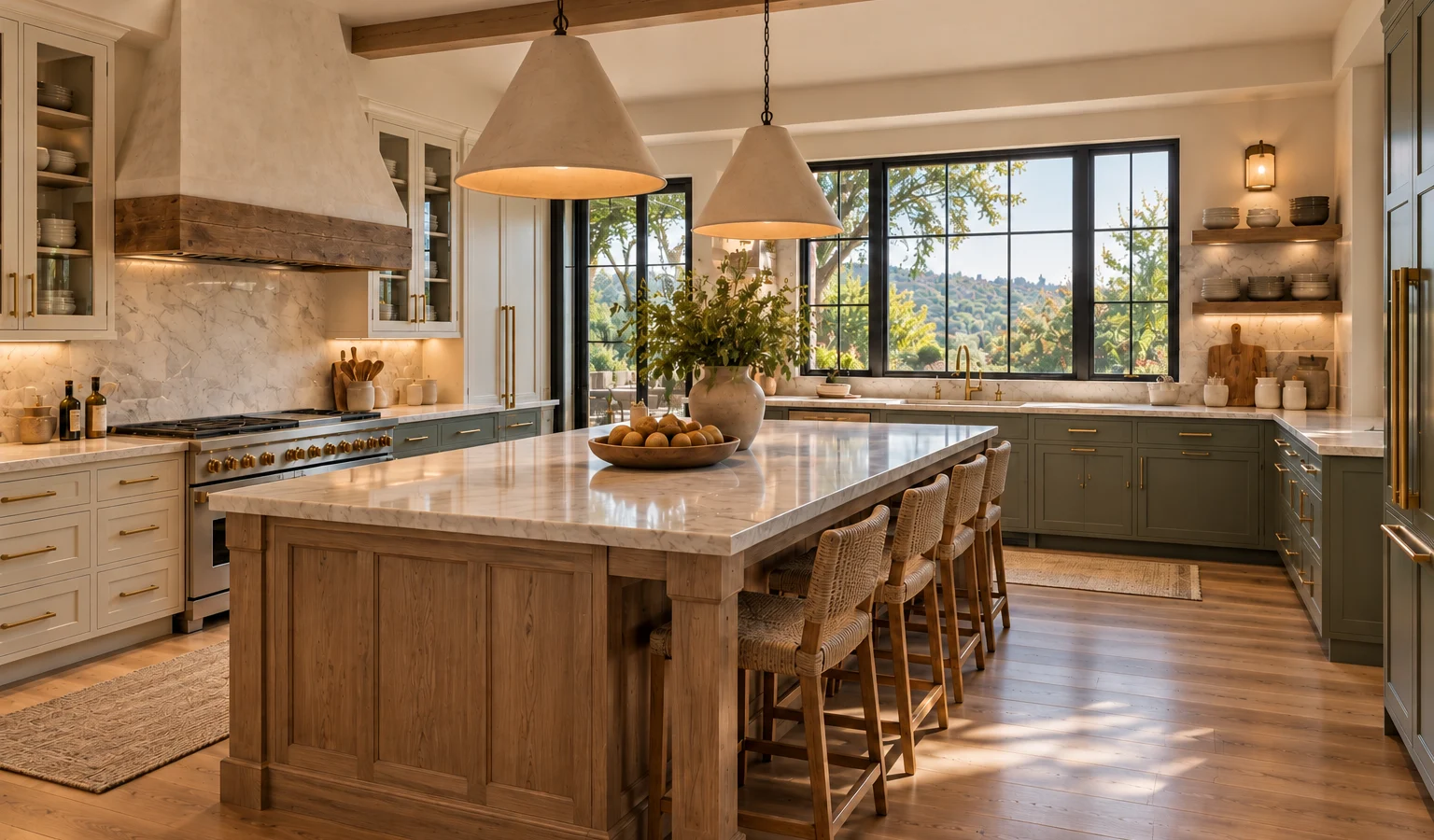
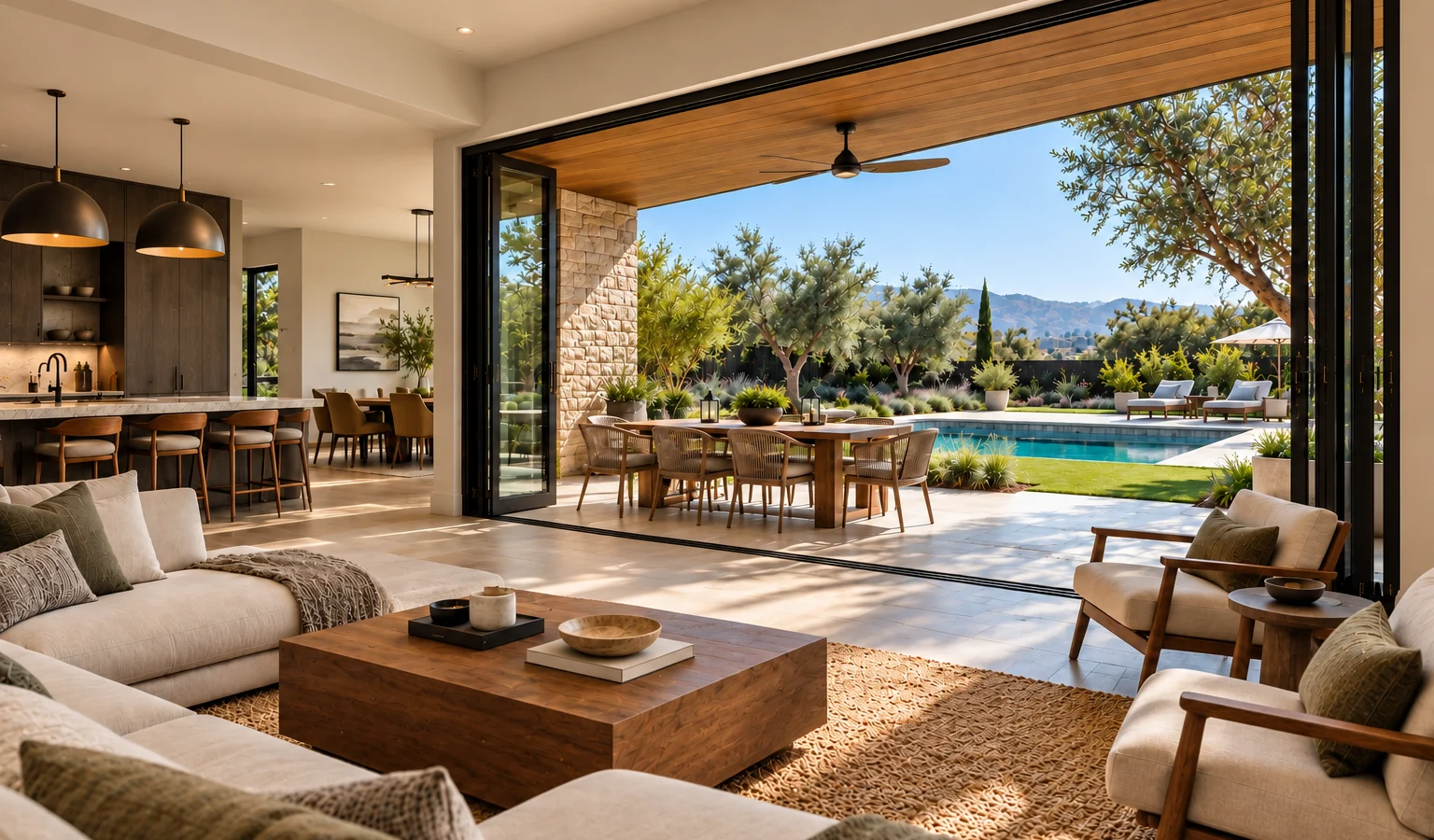
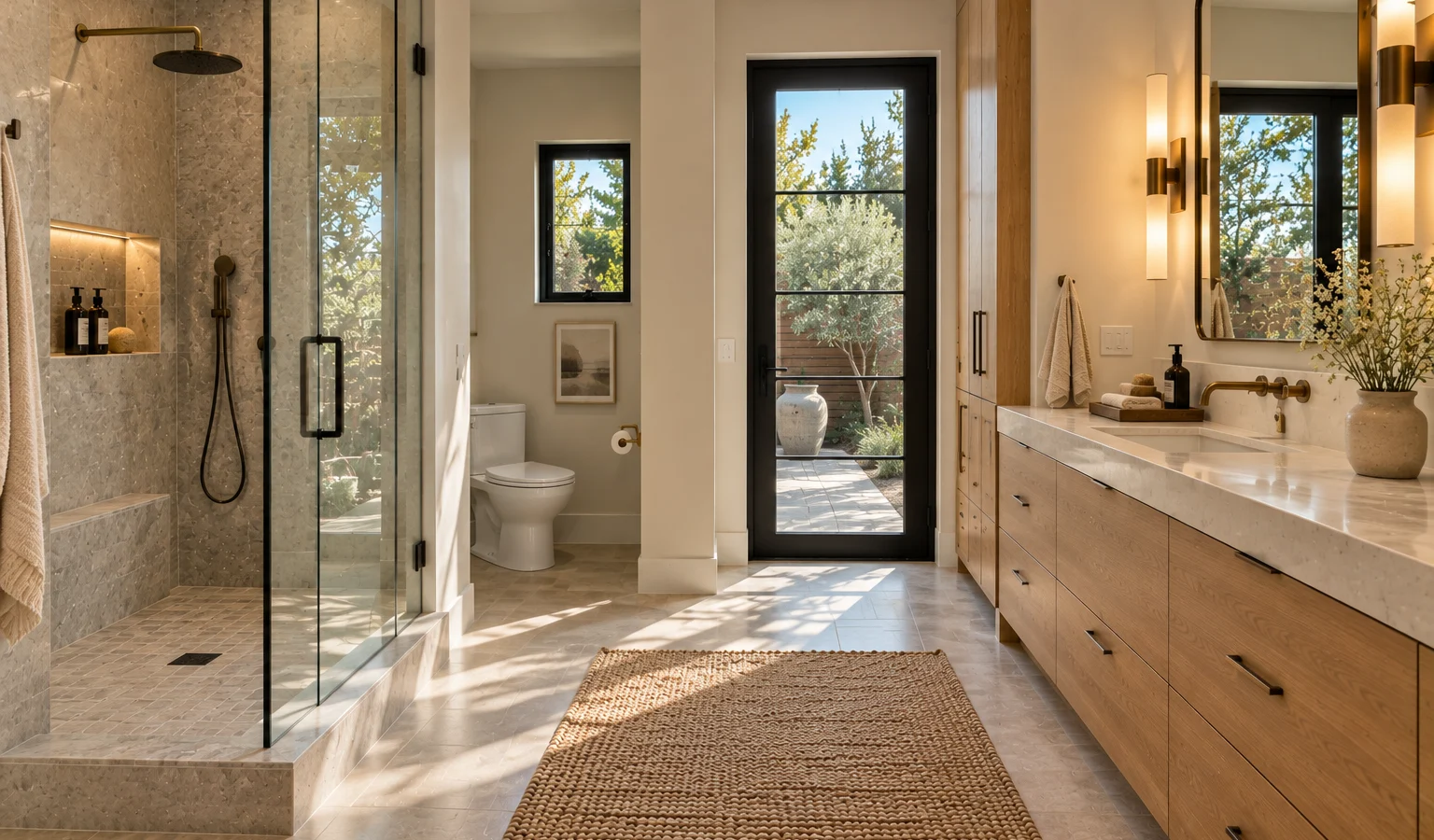
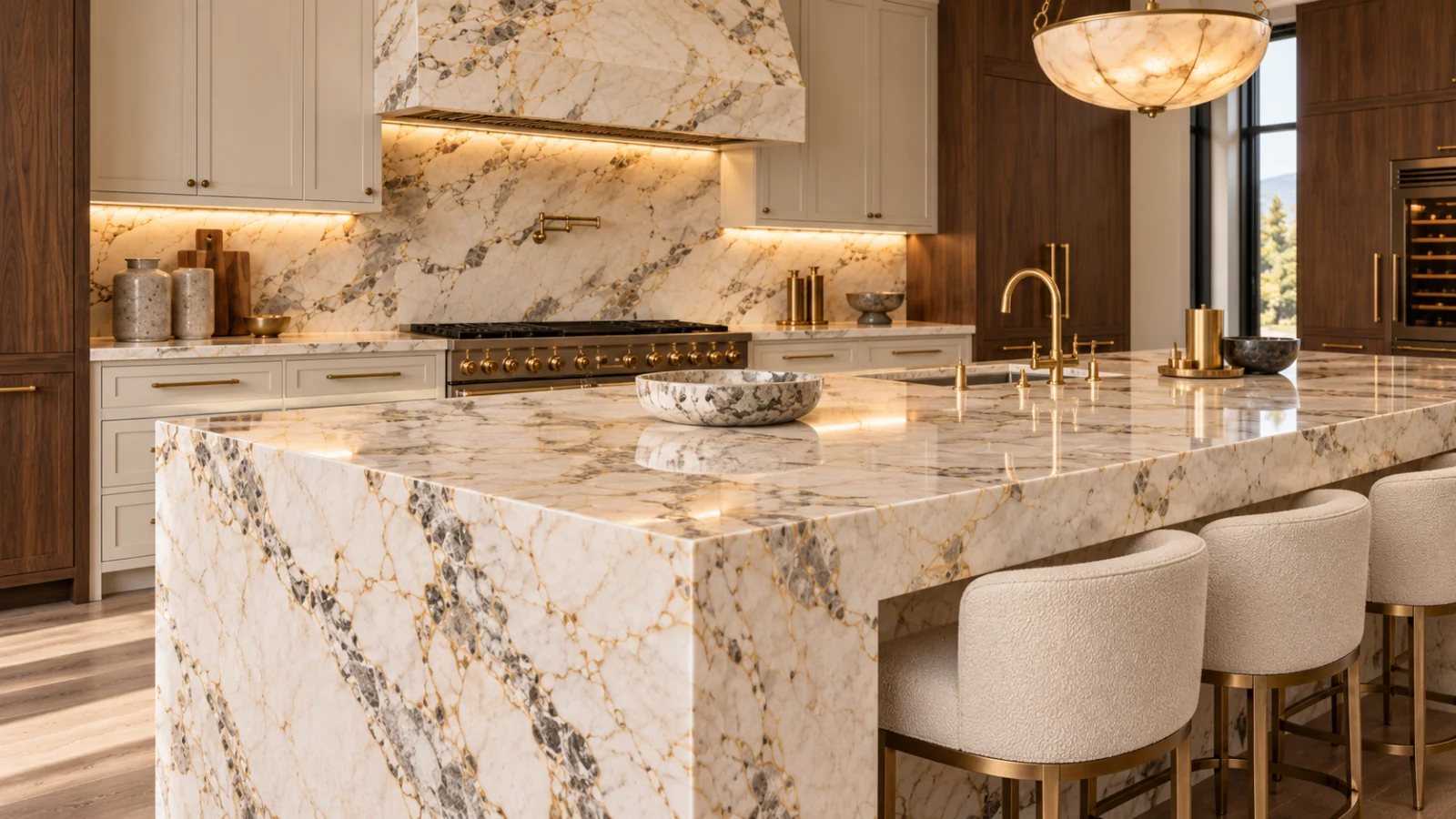

Cost guide
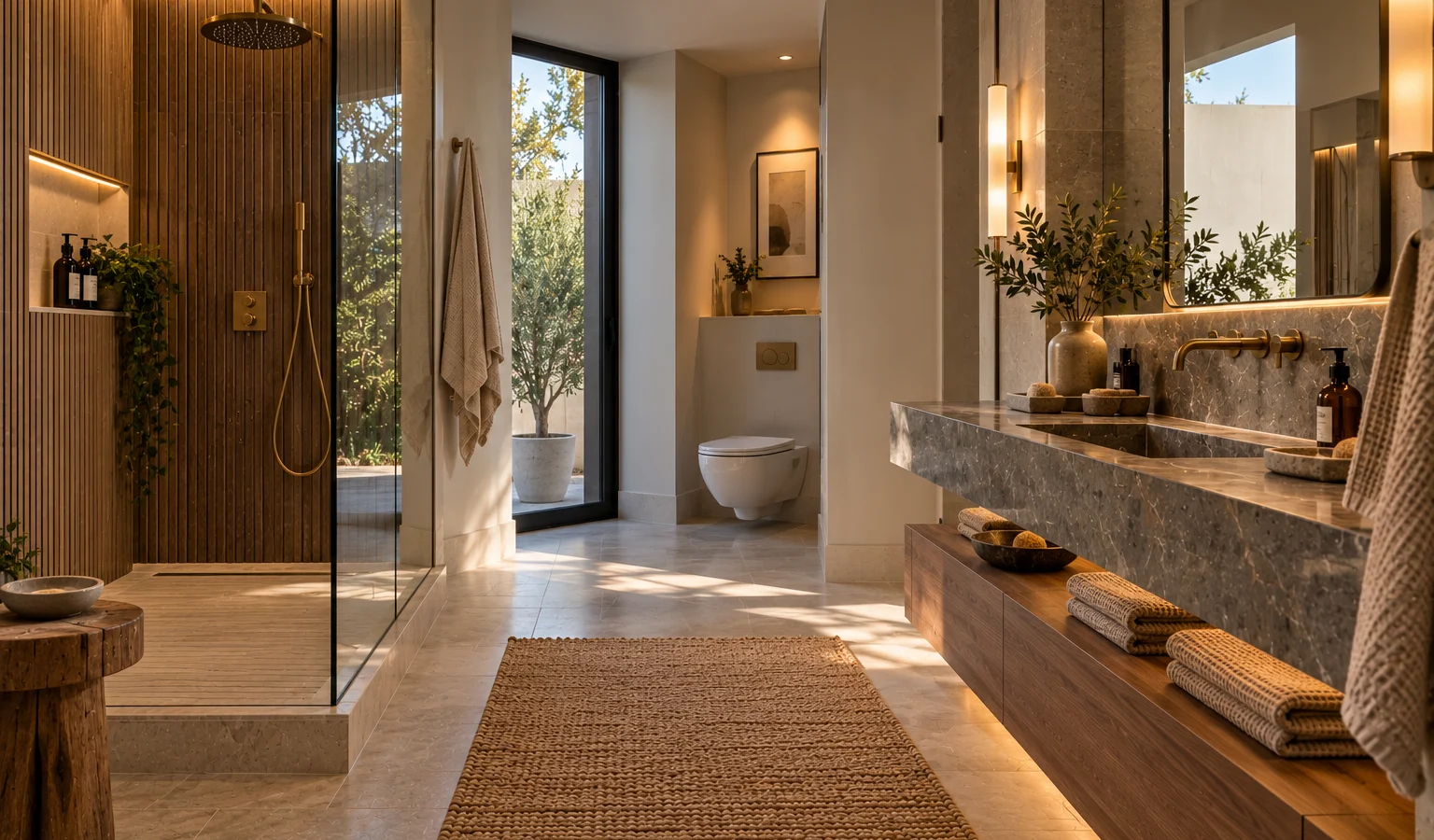
Bathroom Remodel Cost
United StatesNational ranges from what U.S. households paid contractors (Census American Housing Survey 2023). Full remodel is the upper quarter of hired projects. Prices as of August 2026. This is an estimate for planning, not a quote or a guaranteed Goodhaus price. Your actual cost depends on your home, your choices and your contractor, and quotes may be lower or higher. Open the cost calculator
Get Free QuotesCost guide
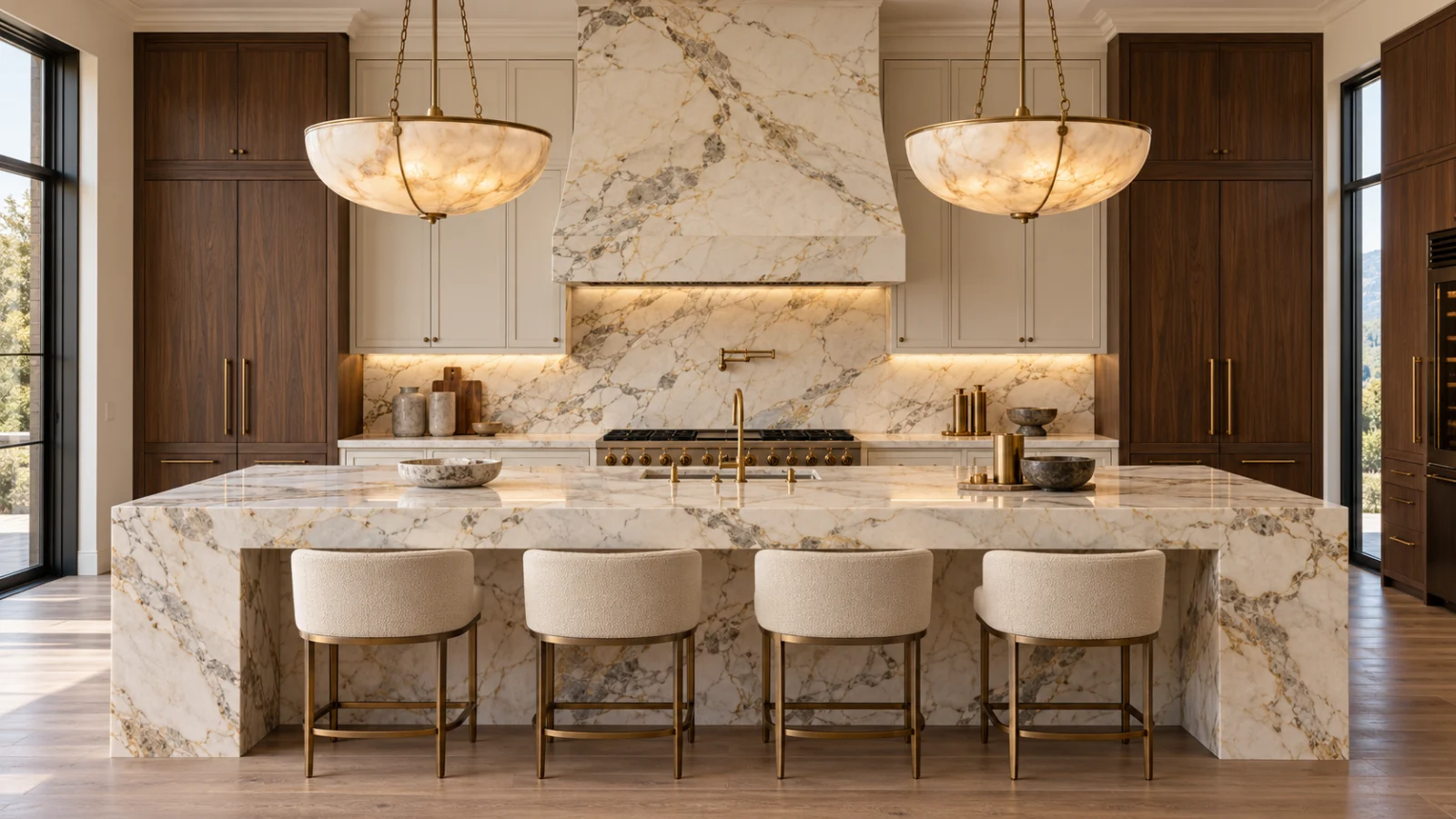
Kitchen Remodel Cost
United StatesNational ranges from what U.S. households paid contractors (Census American Housing Survey 2023). Full remodel is the upper quarter of hired projects. Prices as of August 2026. This is an estimate for planning, not a quote or a guaranteed Goodhaus price. Your actual cost depends on your home, your choices and your contractor, and quotes may be lower or higher. Open the cost calculator
Get Free QuotesCost guide
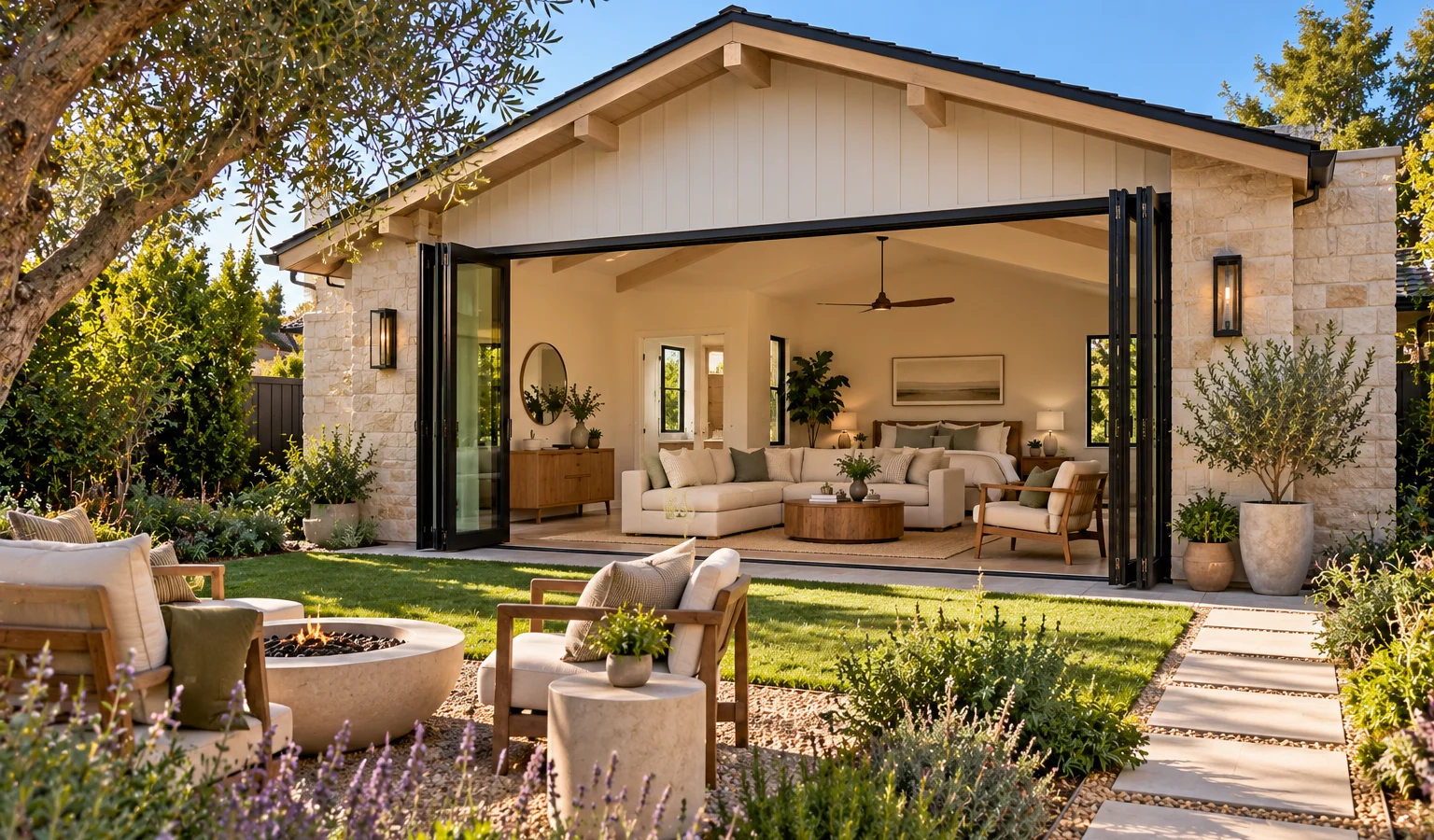
Room Addition Cost
United StatesRoom additions are estimated from the cost per square foot of new contractor-built houses (U.S. Census Bureau), an experimental comparison, so only a range is shown. Prices as of August 2026. This is an estimate for planning, not a quote or a guaranteed Goodhaus price. Your actual cost depends on your home, your choices and your contractor, and quotes may be lower or higher. Open the cost calculator
Get Free Quotes