Article
Aging-in-Place Remodeling Ideas Range From Lever Handles to a First-Floor Bathroom
In this article9 sections
- 01What does an aging-in-place remodel try to achieve?
- 02Which ideas are simple and affordable?
- 03Which ideas need professional help and permits?
- 04In what order should you make the changes?
- 05How can you pay for the changes?
- 06What should you ask before you plan the work?
- 07Plan the Bathroom Changes Before You Request Quotes
- 08Photo Gallery
- 09Cost Guides
Start with the immediate dangers in each room, then add simple changes such as lever handles and grab bars, and ask a professional and your building department about bigger projects before you request quotes. This is general information and not medical or legal advice, and Good Haus is a free matching service and not a contractor.
What does an aging-in-place remodel try to achieve?
The National Institute on Aging says the best time to think about how to age in place is before you need a lot of care, and that planning ahead allows you to make important decisions while you are still able. Ohio State University Extension says the concept of universal home design was developed to improve the function of a home for all its occupants, regardless of age, ability, or mobility. Ask the person who will live in the home which daily tasks are hardest now, so the ideas match real needs.
Which ideas are simple and affordable?
Ohio State Extension says some modifications are simple, affordable, and easy to complete, such as replacing round doorknobs with lever-style handles. It says that in many cases small, portable items like grab bars or motion-sensor lights can be purchased from home improvement or drug stores and installed immediately, and that handy individuals may be able to complete minor projects themselves. Ask a therapist or an installer how a grab bar should be fixed to the wall before you buy one, so the wall behind it is checked first.
Which ideas need professional help and permits?
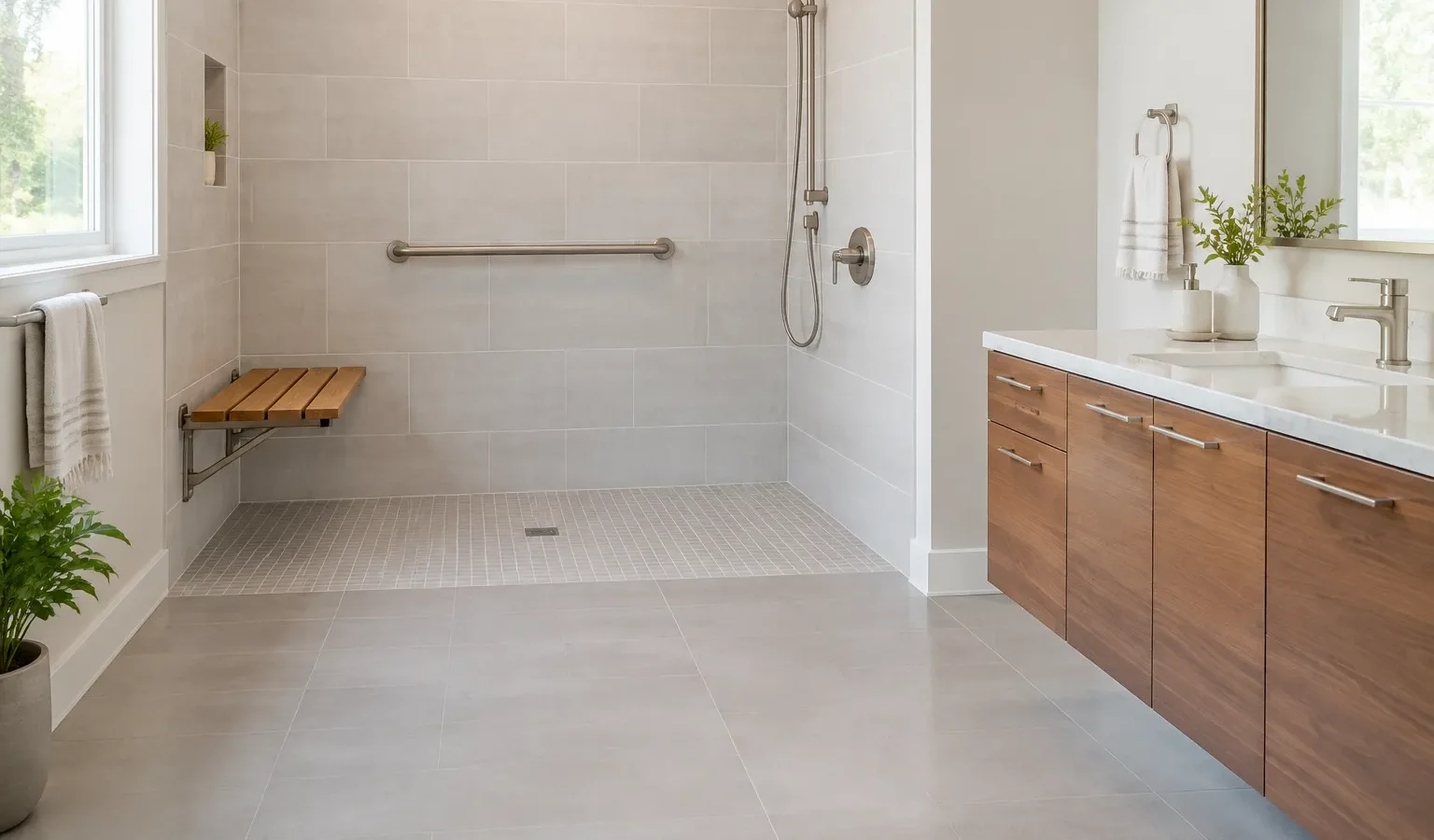
The same fact sheet says other modifications may be more complex, costly, and require professional assistance, such as installing a roll-in shower. It says more involved tasks, such as replacing fixtures or appliances, may require professional help, and that major renovations, like adding a first-floor bathroom or widening doorways, often need building permits and skilled contractors. Ask your building department whether a bathroom or doorway change needs a permit, and ask each contractor whether it has done accessibility work before.
In what order should you make the changes?
The institute advises going through your home room by room to identify potential problems and safety issues and to correct any immediate dangers, such as loose stair railings and poor lighting, and then to work on other ways to ensure you will be as safe as possible at home. It adds that it may not be necessary to make all of the suggested changes, and that it is important to reevaluate home safety every so often as your needs change. Picture a house where the bathroom is the hardest room: fix the stair railing and the lighting first, add the simple items there next, and plan any larger bathroom change once the rest is safe, then revisit the plan as needs change.
How can you pay for the changes?
The institute says you may be able to get help paying for repairs and safety updates to your home, and suggests checking with your state housing finance agency, social services department, community development groups, or the federal government for financial aid programs and discounts. Ohio State Extension says that if you have a modest income you may be eligible for a home assessment or home modification program in your community or county, and suggests checking with your local Area Agency on Aging, senior center, independent living center, or Community Action Agency. Ask these offices about programs before you sign a contract, so you know what a program needs before work starts.
What should you ask before you plan the work?
- Ask which daily tasks are hardest now.
- Ask which dangers can be corrected right away.
- Ask which changes are simple and which need a professional.
- Ask your building department whether a larger change needs a permit.
- Ask your Area Agency on Aging about help paying.
Plan the Bathroom Changes Before You Request Quotes
Bring your room-by-room list when you request bathroom remodeling quotes, so each bid prices the same changes.
Photo Gallery

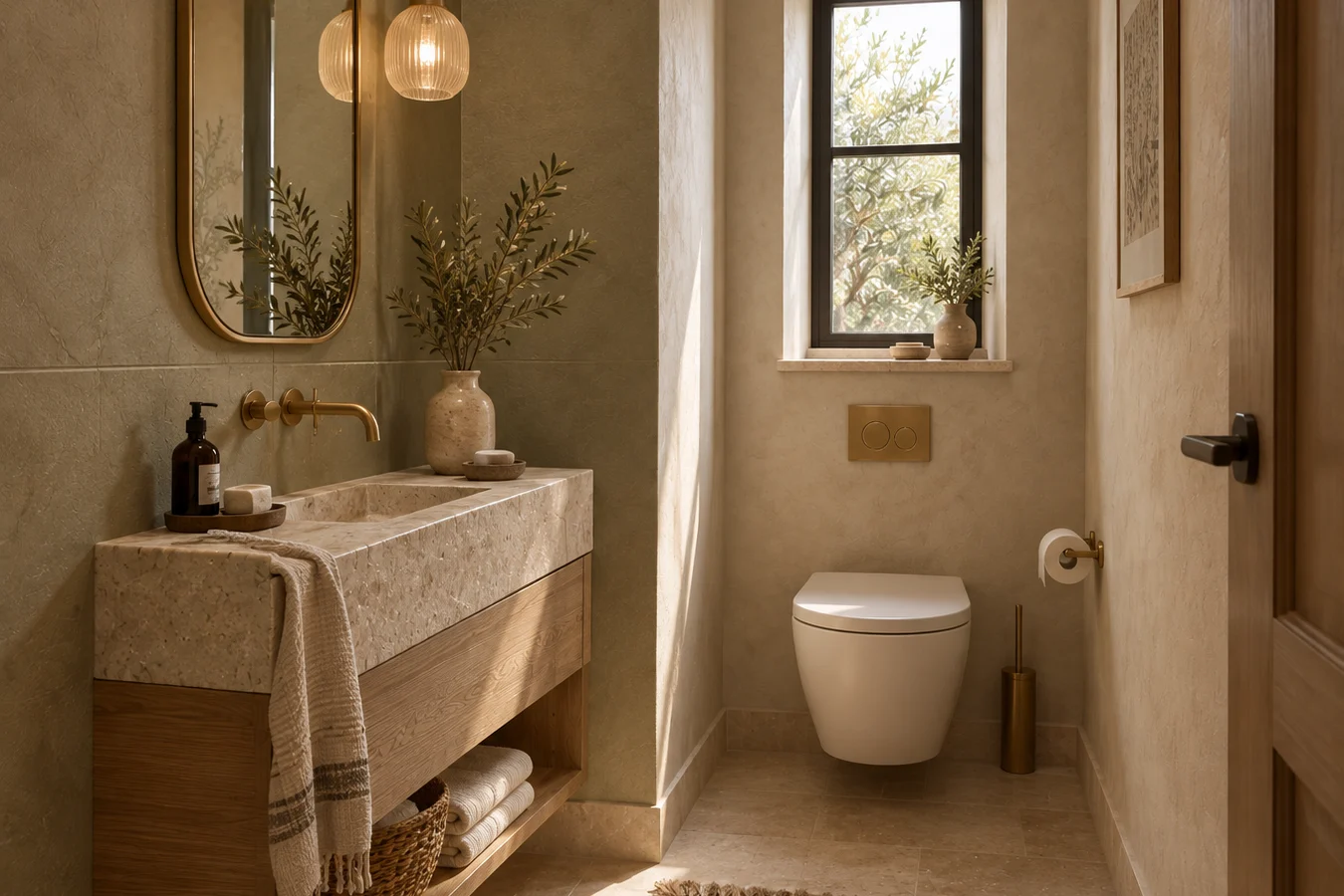
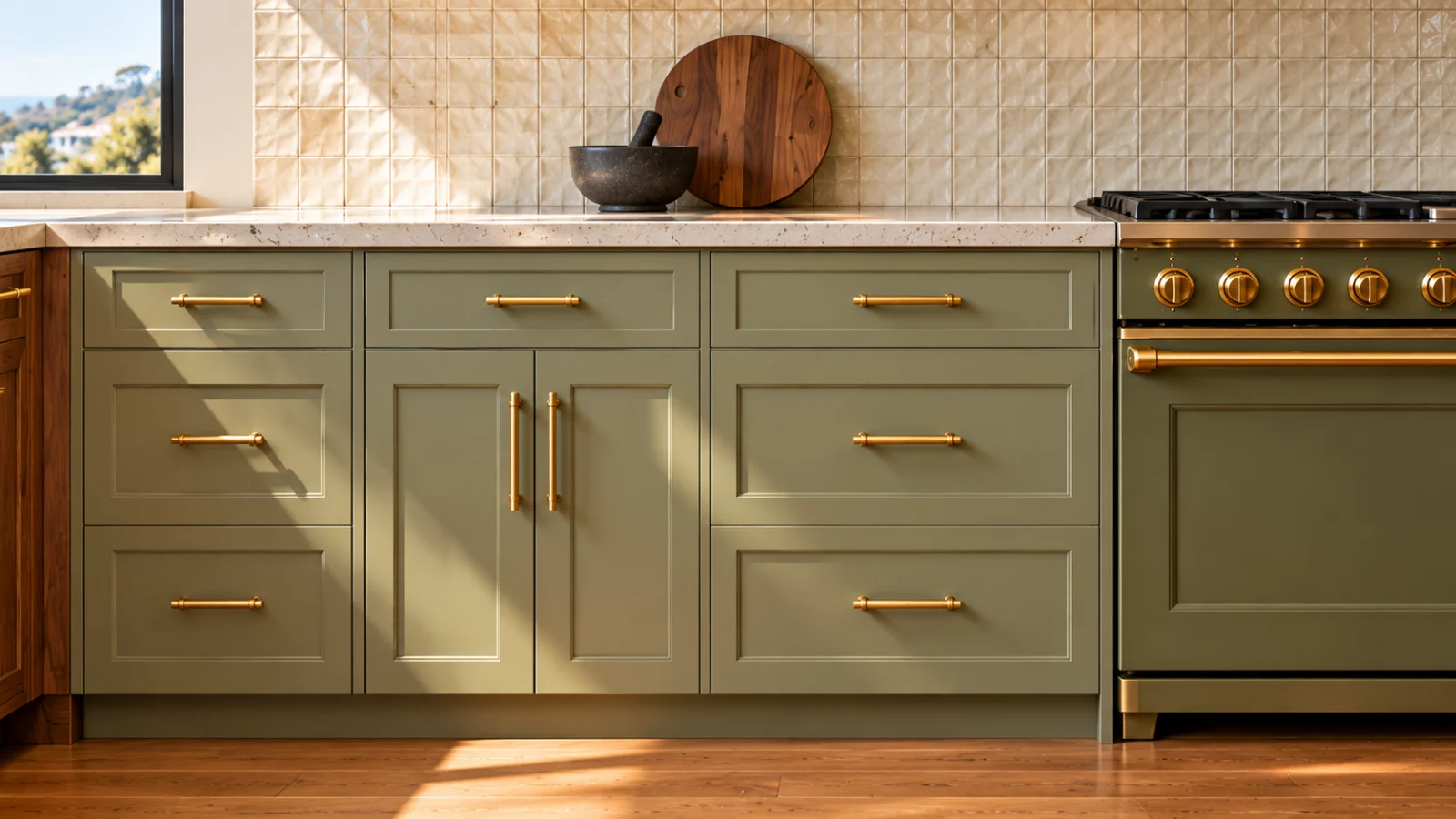
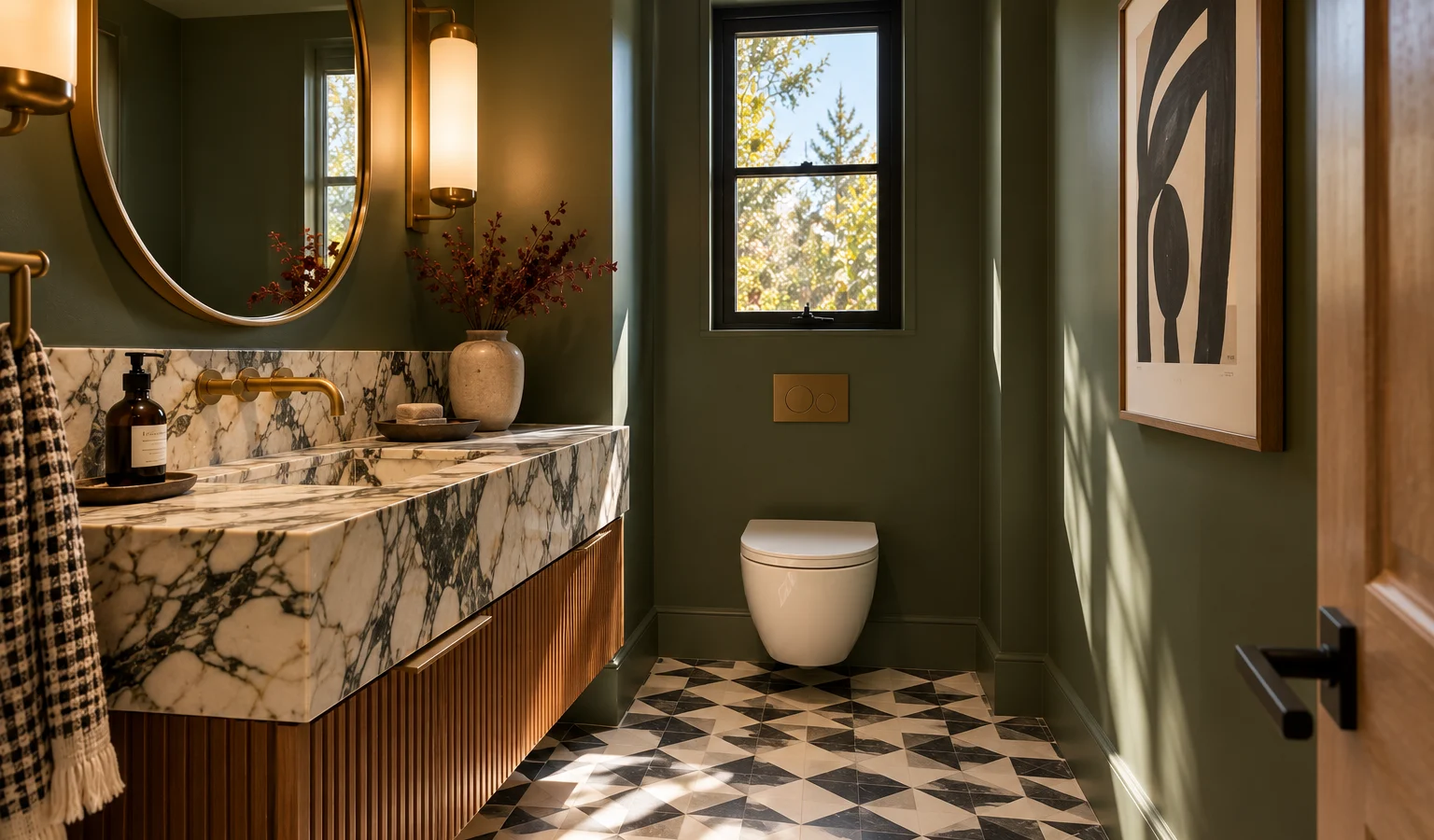
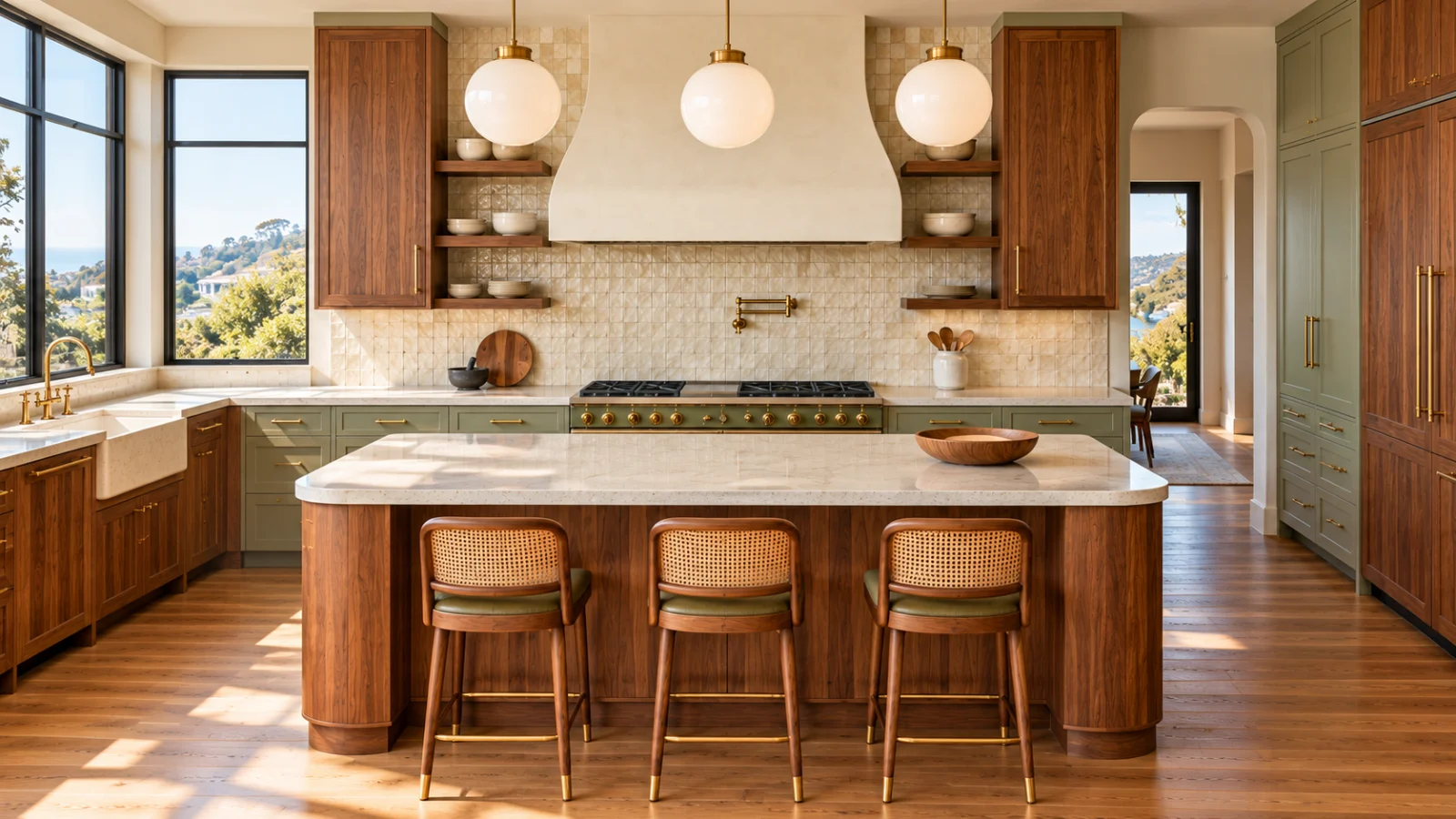


Cost guide
Bathroom Remodel Cost
United StatesNational ranges from what U.S. households paid contractors (Census American Housing Survey 2023). Full remodel is the upper quarter of hired projects. Prices as of August 2026. This is an estimate for planning, not a quote or a guaranteed Goodhaus price. Your actual cost depends on your home, your choices and your contractor, and quotes may be lower or higher. Open the cost calculator
Get Free QuotesCost guide
Kitchen Remodel Cost
United StatesNational ranges from what U.S. households paid contractors (Census American Housing Survey 2023). Full remodel is the upper quarter of hired projects. Prices as of August 2026. This is an estimate for planning, not a quote or a guaranteed Goodhaus price. Your actual cost depends on your home, your choices and your contractor, and quotes may be lower or higher. Open the cost calculator
Get Free Quotes